PROCESOS DE APRENDIZAJE
(2006-2025)
Download textOtro tiempo en el tiempo
Text by Valeria González and Laura Lina
Since midway through 2000, Gabriel Baggio has carried out a series of performances within the framework of what he denominated Procesos de aprendizaje [Learning Processes]. Throughout the course of this experience, the artist has learned how to cook spicy chicken, spaghetti with stew, to carve a flower out of wood, to make a rose in marquetry and even how to make an adobe house, among other things. Like other examples of his work, these processes take place in locations that range from museum spaces to places outside art circuits. The idea of “process” alludes to one of the proposal’s fundamental questions: while they all lead to some “final product” (the flower, the meal, the pot), there is something that happens that cannot be captured, even in the multiple forms of documentation that remain from each experience. This has to do with the diverse forms that connections between people take, what is not said, what is impossible to transmit as a written recipe or instruction manual, and this refers to the weave of codes that are created during the time of exchange and the internalization of knowledge. Outside of this exchange, the work as such does not exist. In any case, a reformulation of it will take on a different identity in another format, as a mere record or videoperformance. In this sense, what happens has preponderance, like a mechanism that activates the functioning of the subjects involved at that precise instant: “As events that reveal these special characteristics . . . they open up the possibility of experiencing changes during their course, that is, of transforming all those who participate in them: both artists and the public.”
Baggio’s reflections do not delve solely into the recuperation of trades or crafts (impossible to elude Grippo’s reference to the socialization of food and knowledge and a commitment to others in his bread oven) that no longer exist or are in decline, but also into his involvement in the position of apprentice. As we mentioned earlier, there is a deliberate political gesture of eroding the self that translates not only into a disruption of the artist’s ego, but also of knowledge’s place. The past of these trades is not romanticized; a question is raised regarding how we as human beings anchor our interpersonal connections within the reigning capitalist scheme:
Unmotivated workers like the Soviet construction workers, depressed workers like the British doctors and nurses suffer not so much from the work they do as by how it is organized. This is why we should not give up on the workshop as a social space.
Workshops present and past have glued people together through work rituals, whether these be a shared cup of tea or the urban parade; through mentoring, whether the formal surrogate parenting of medieval times or informal advising on the worksite; through face-to-face sharing of information.
How can the effects of the “factory of unhappiness” that Bifo speaks of be counter-arrested? What happens with the transmission of that knowledge when industry discards their use?
Every movement produces an effect . . . But the word “movement” for me means something more: the full deployment of the potentialities contained in a collective body, the implementation of the technical and productive potency of a collective body—a potency that can deploy only when that body becomes a movement.
This is where I see the potency of the Procesos de aprendizaje pieces. The instance becomes a studio, not as an emulation “of,” but through mistakes, choreographies of corporal exchange and the particularity of the link with technique (always in a new version) as it restores that logic of community where cognitive workers’ subjectivity used to function with autonomy from the technology of capital.
English version: Tamara Stuby
2020
Excerpt from the main text of the book La Tarea
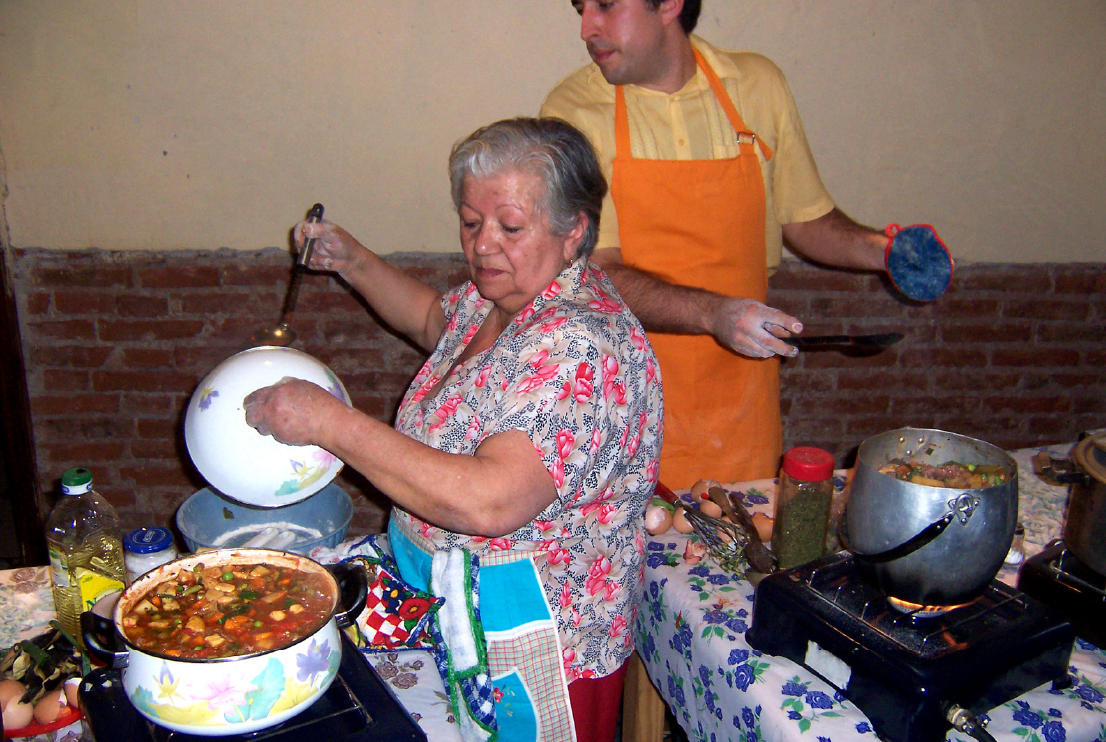
Fideos de espinaca con estofado, 2006. Espacio Cultural La Ochava, Córdoba. Performance junto a María Mercedes Román.
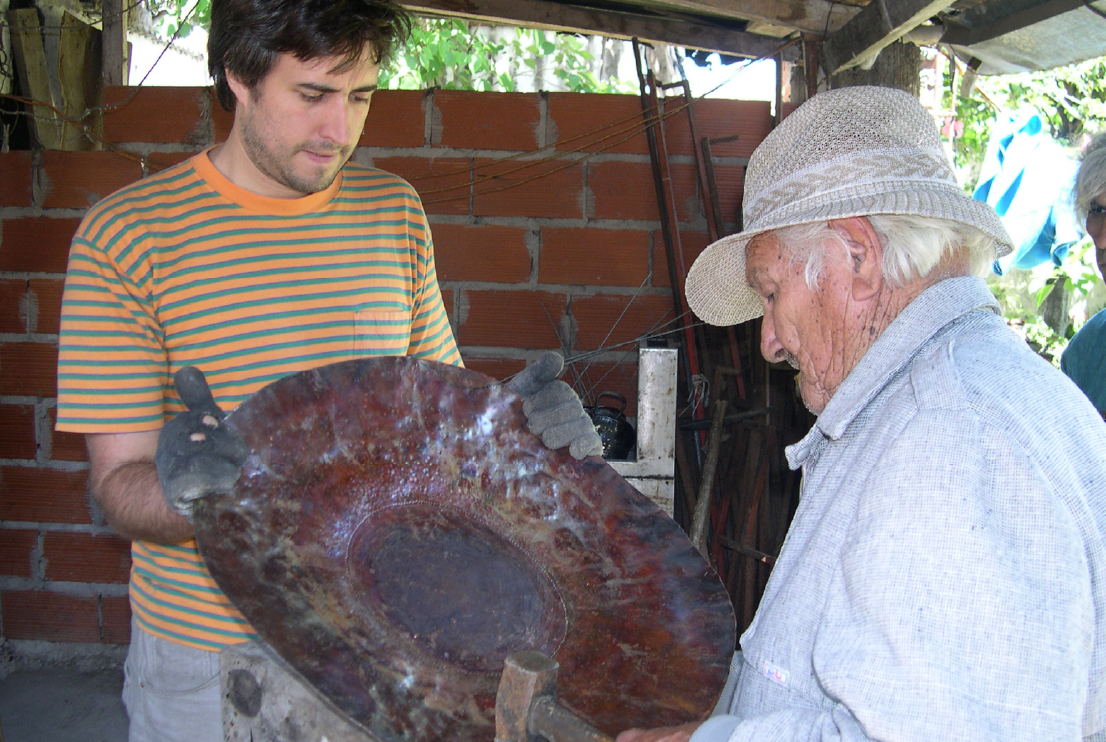
Olla de chapa de cobre batida, 2006. Taller del Maestro, Hurlingham. Performance junto a Manuel y Gustavo Barranco.
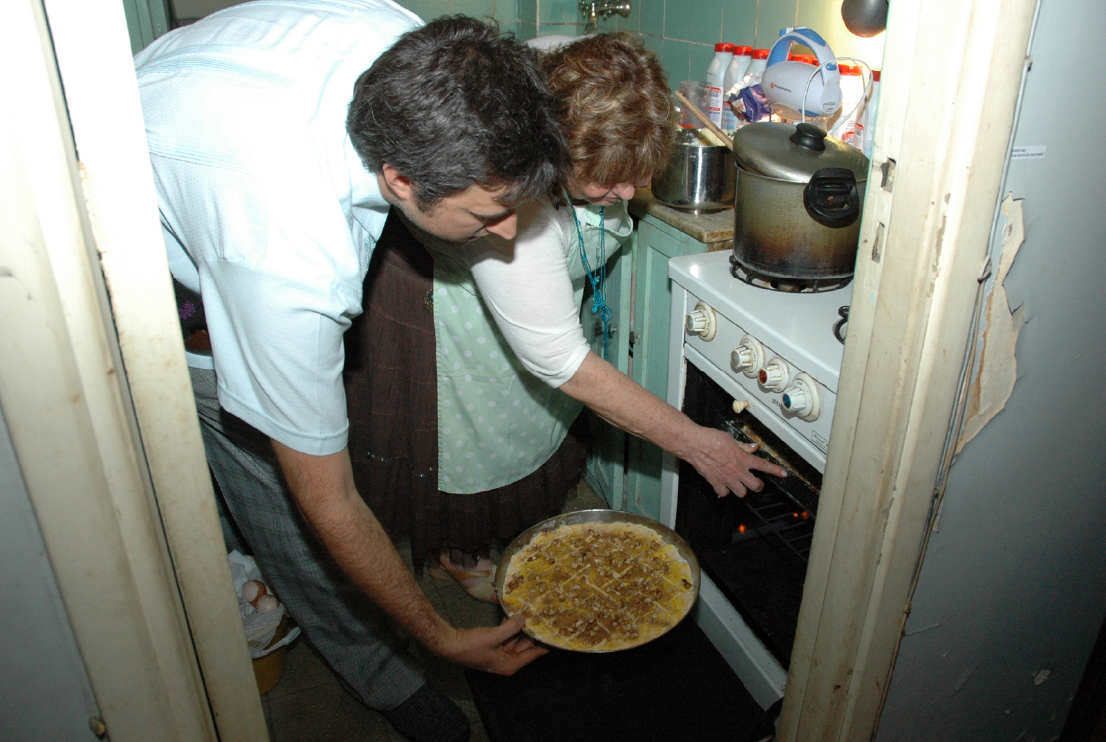
Chocolate caliente con kujelles, 2007. Exhibición Desde el alma, Buenos Aires. Performance junto a Felisa Mayansky.
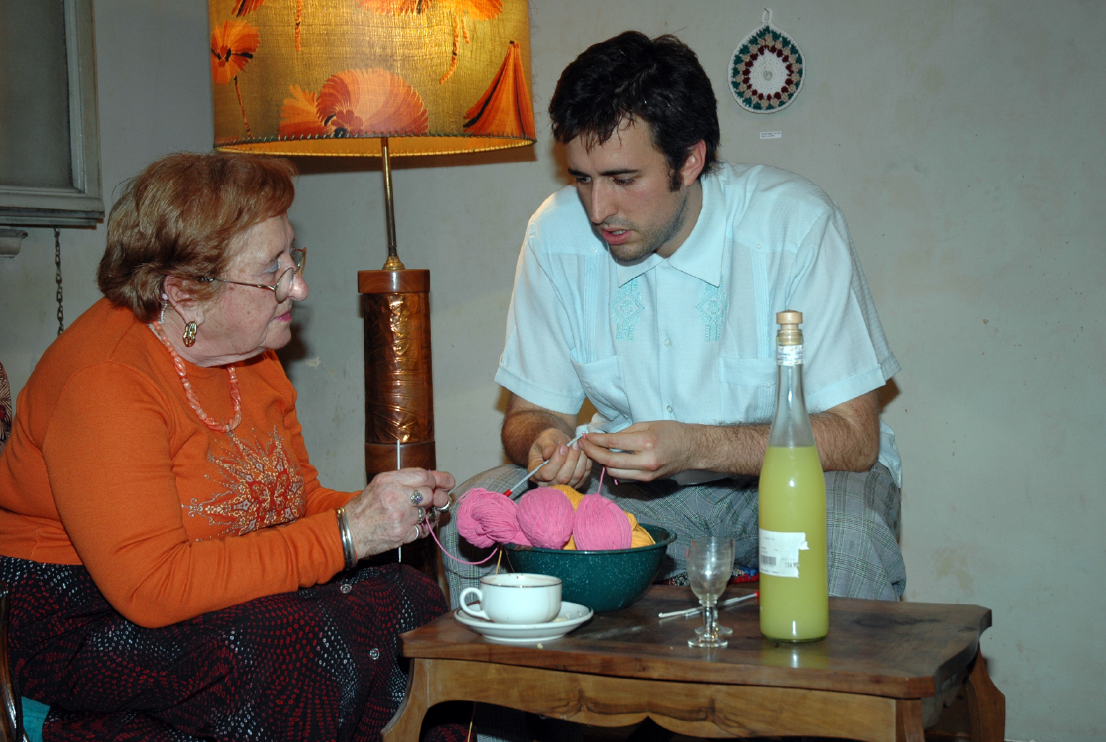
Agarradera tejida al crochet, 2007. Exhibición Desde el alma, Buenos Aires. Performance junto a Cita.
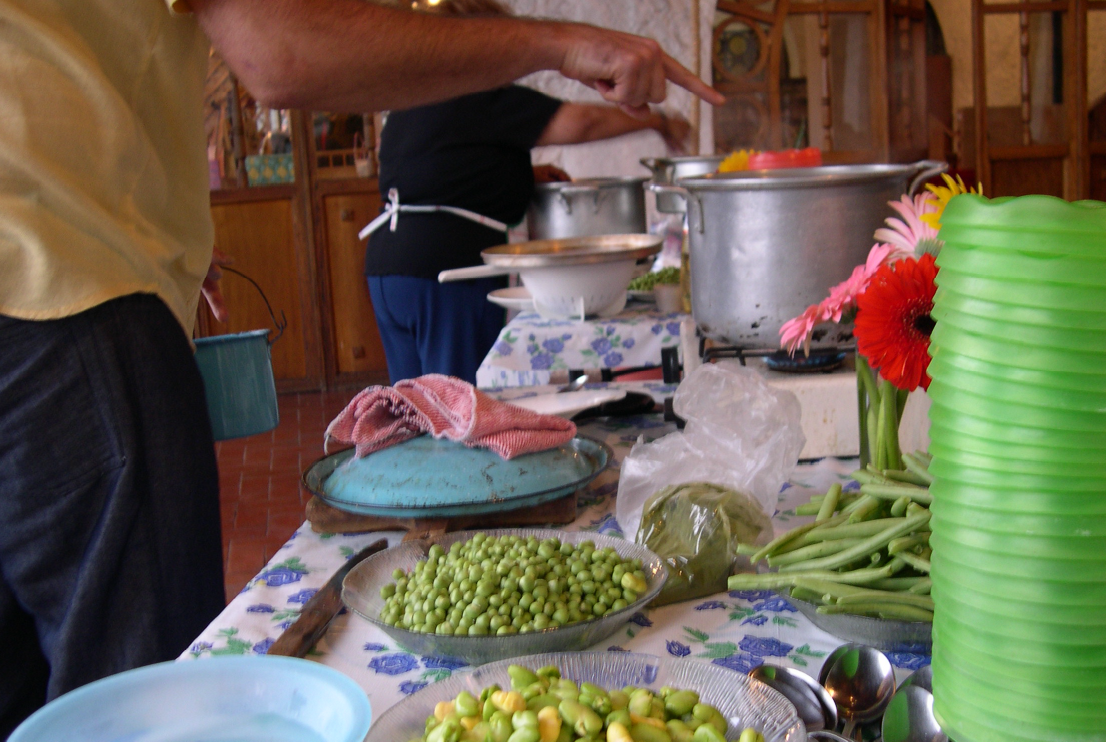
Mole verde, 2007. Espacio Cultural Los Lagos, Xalapa. Performance junto a Joaquina.
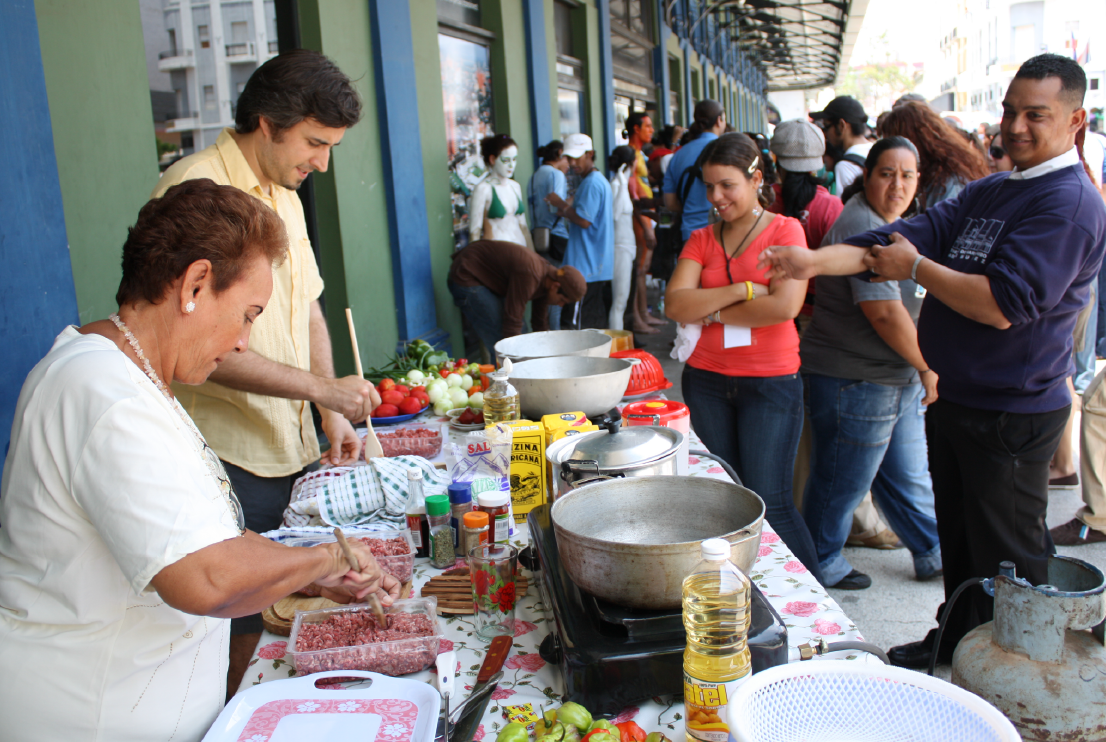
Bollitos pelones, 2008. Centro de Arte Lía Bermúdez, Maracaibo. Performance junto a Riquilda Peña.
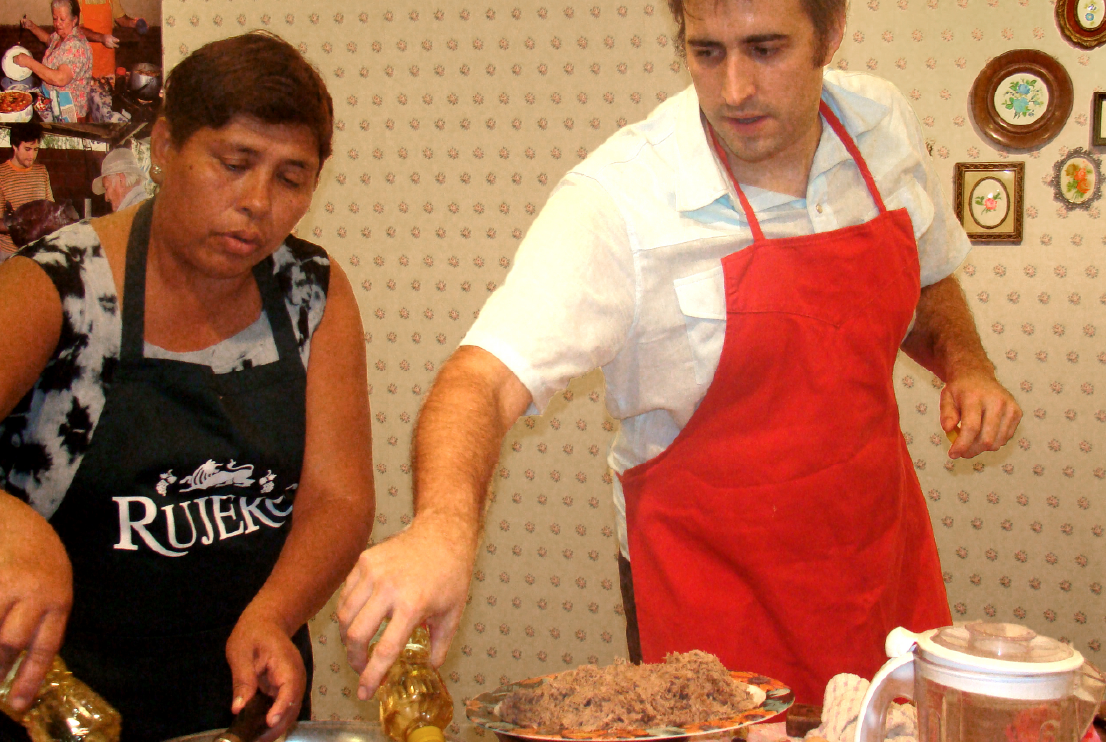
Majadito de carne, 2008. Centro de Arte Simón I. Patiño, Santa Cruz de la Sierra. Performance junto a Daisy Vargas.
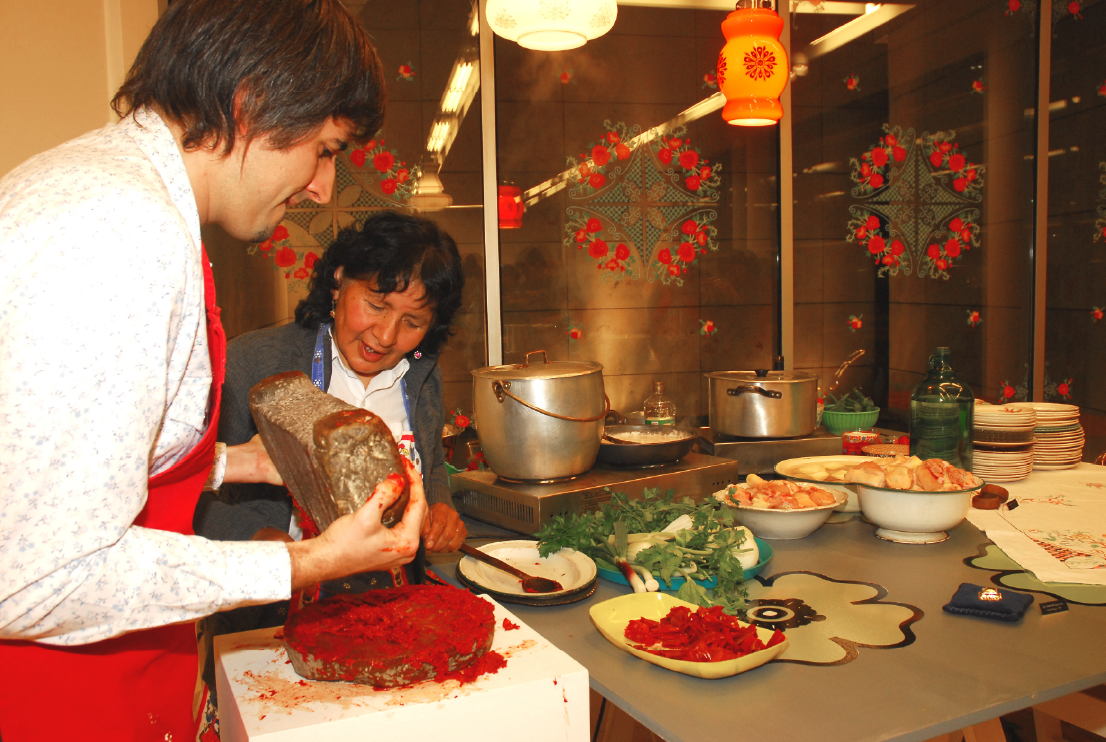
Picante de pollo, 2010. Museo de Arte Latinoamericano de Buenos Aires (MALBA), Buenos Aires. Performance junto a Nicolasa Choque.
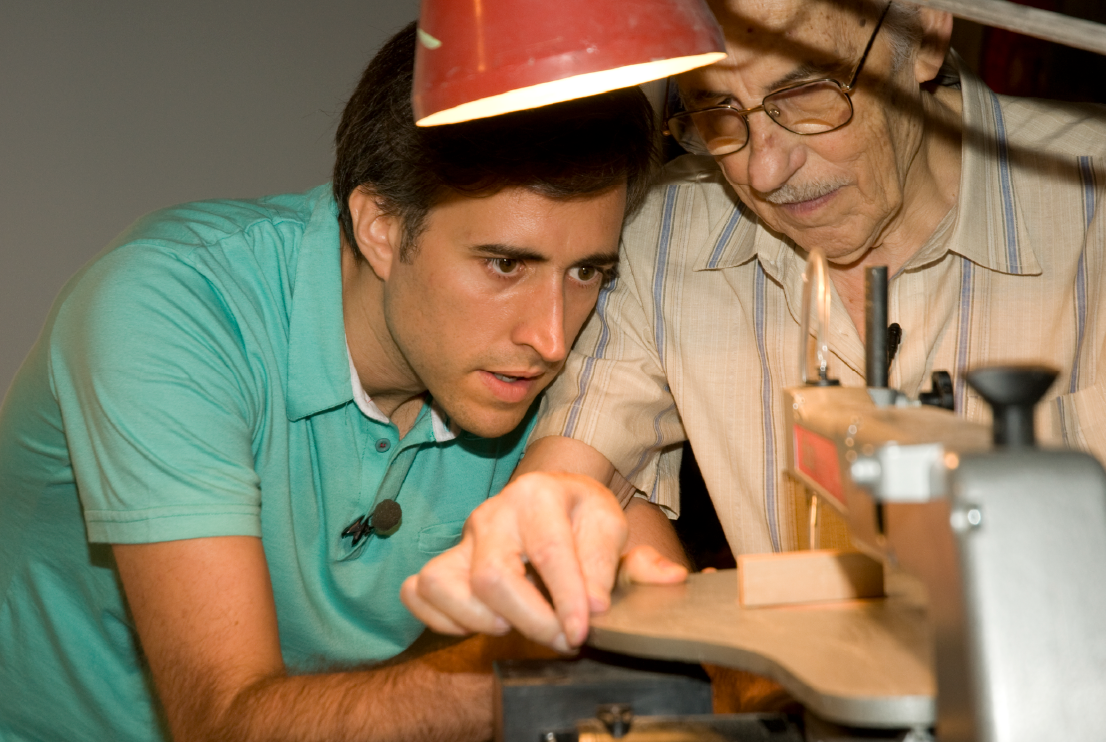
Rosa en marquetería, 2010. Museo de Arte Moderno de Buenos Aires, Buenos Aires. Performance junto a Julio Ratuschny.
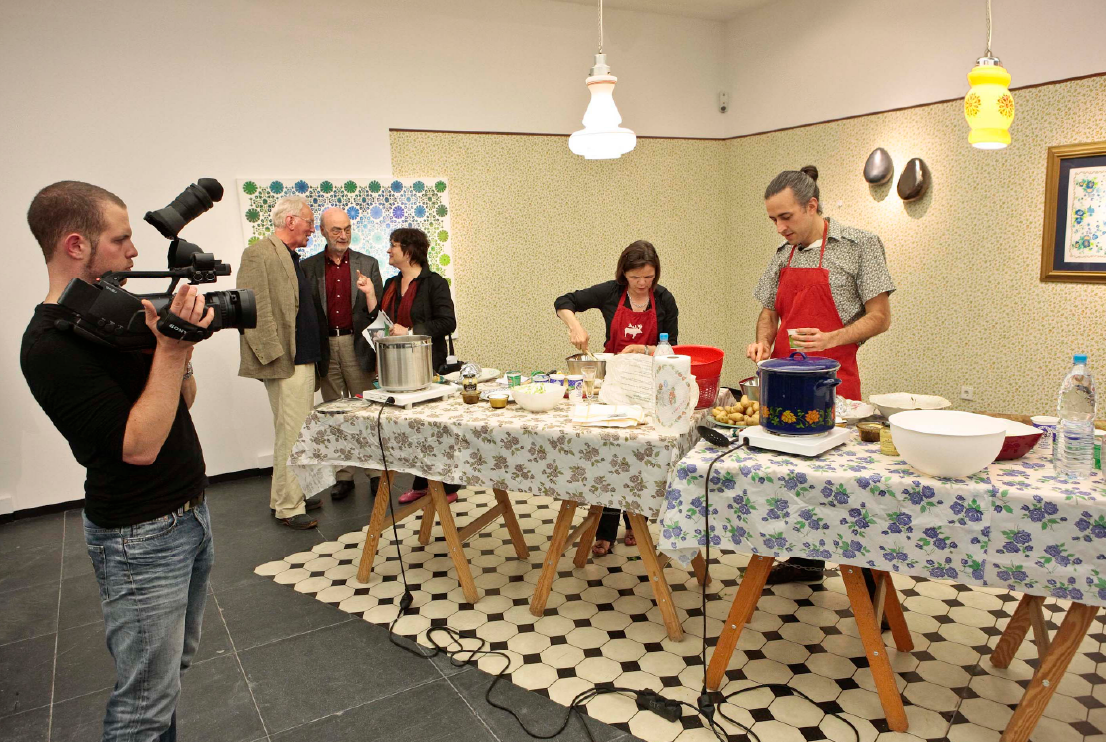
Tafelspitz mit Frankfurter Grüner Sauce und Pellkartoffeln, 2010. Frankfurter Kunstverein, Frankfurt. Performance junto a Dagmar Hesse-Kreindler.
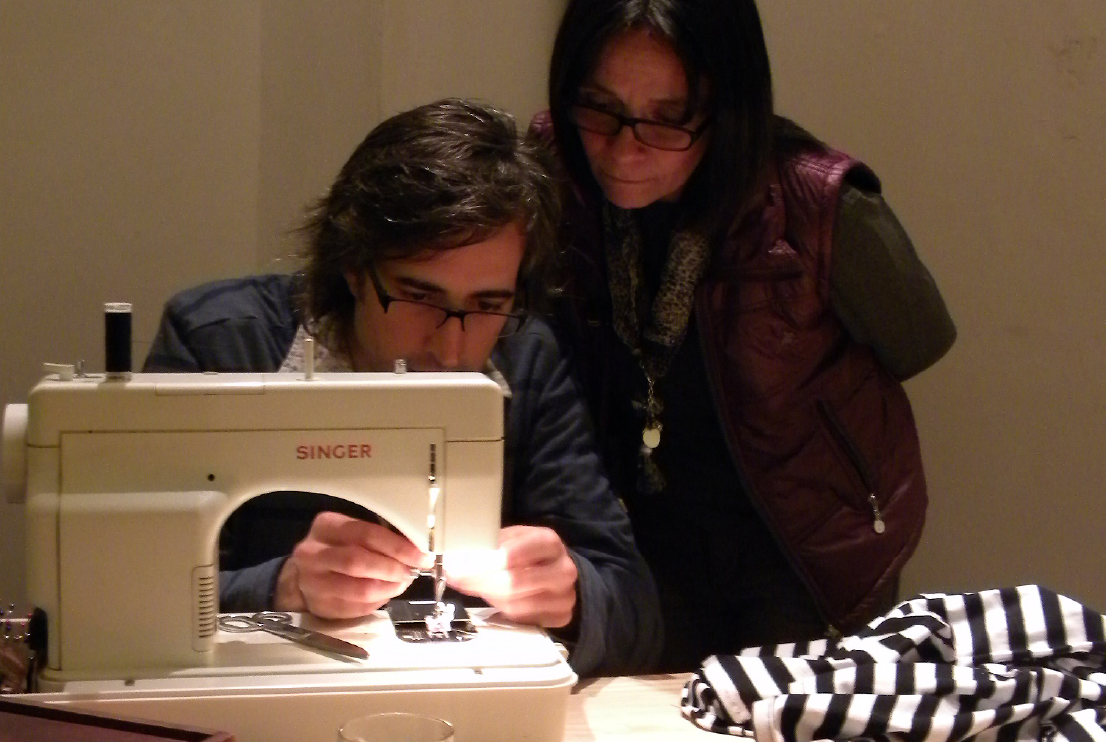
Remera de algodón, 2011. Centro de Arte Ezequiel Linares, Tucumán. Performance junto a Isabel Padros.
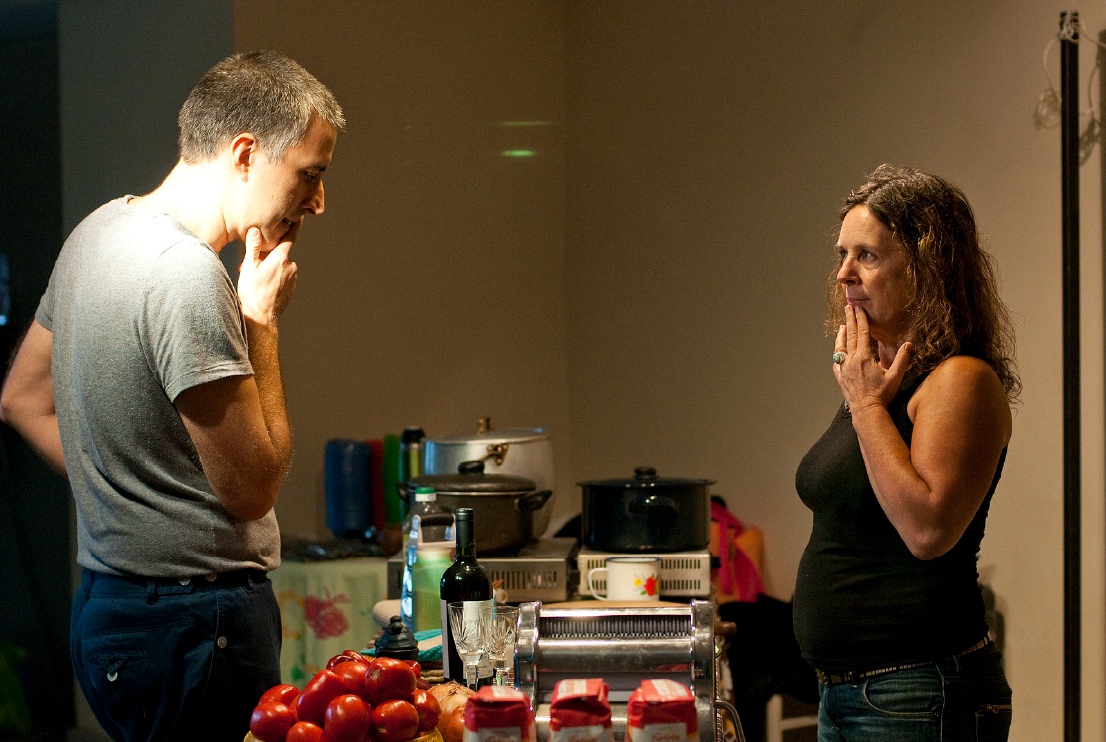
Fideos con salsa rosa, 2014. Centro de Arte La Usina Cultural, Buenos Aires. Performance junto a Cecilia Ortelli.
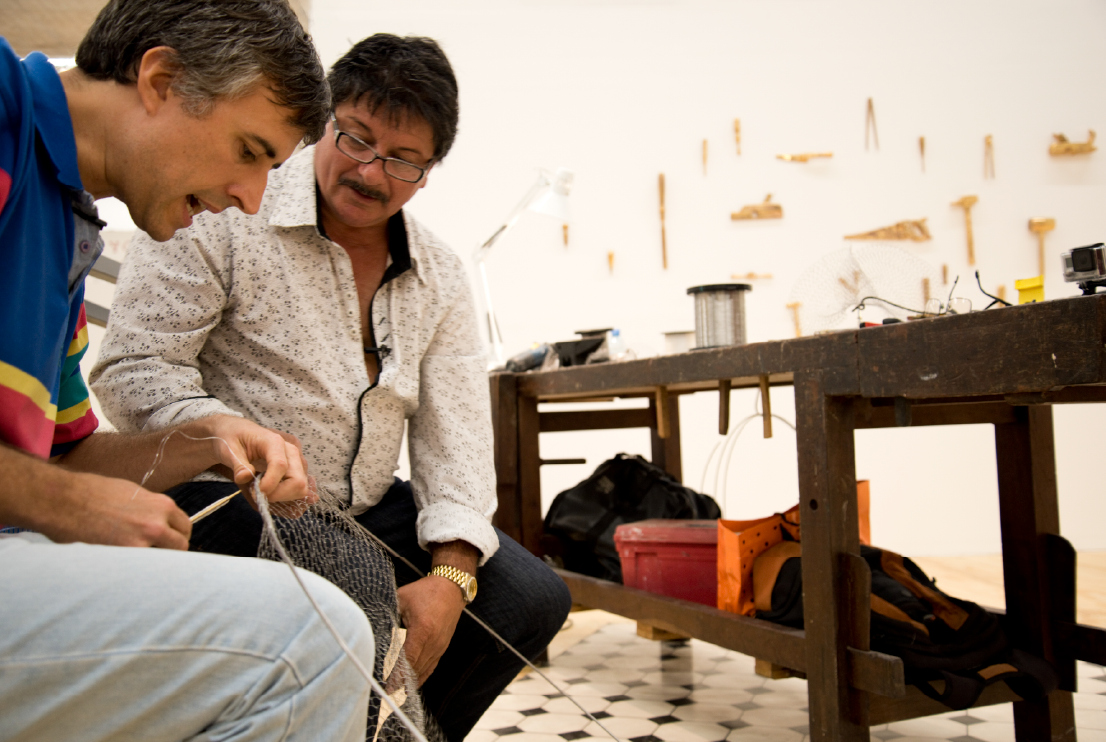
Mediomundo, 2014. Museo MAR de Arte Contemporáneo, Mar del Plata. Performance junto a Héctor Raúl Pueblas.
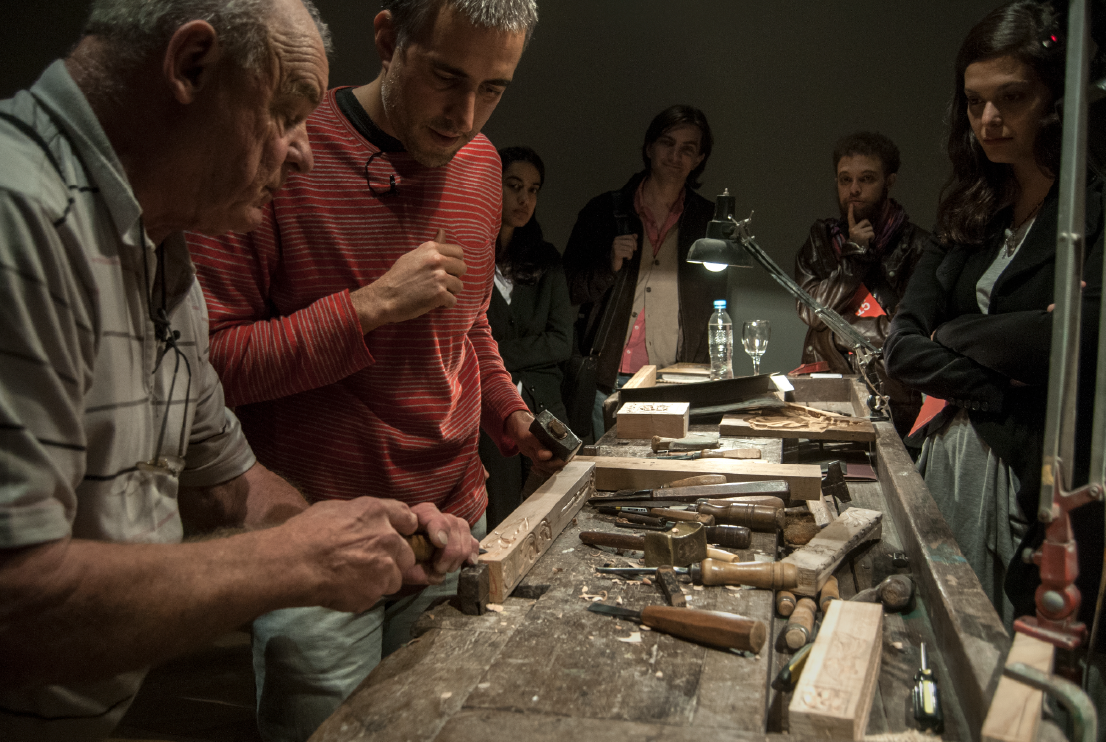
Flor tallada en madera, 2015. Colección de Arte Amalia Lacroze de Fortabat, Buenos Aires. Performance junto a Tony Cegielnik.
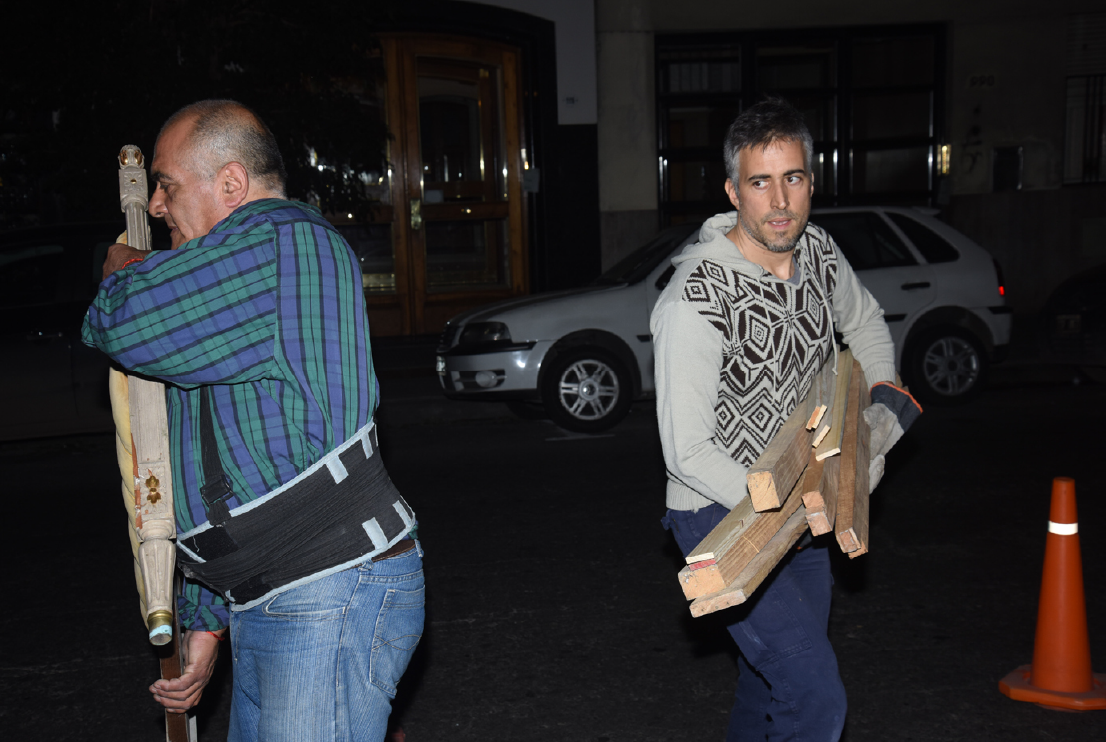
La tarea (mudanza), 2016. Casa Nacional del Bicentenario, Buenos Aires. Performance junto a Rafael Humberto Montenegro.
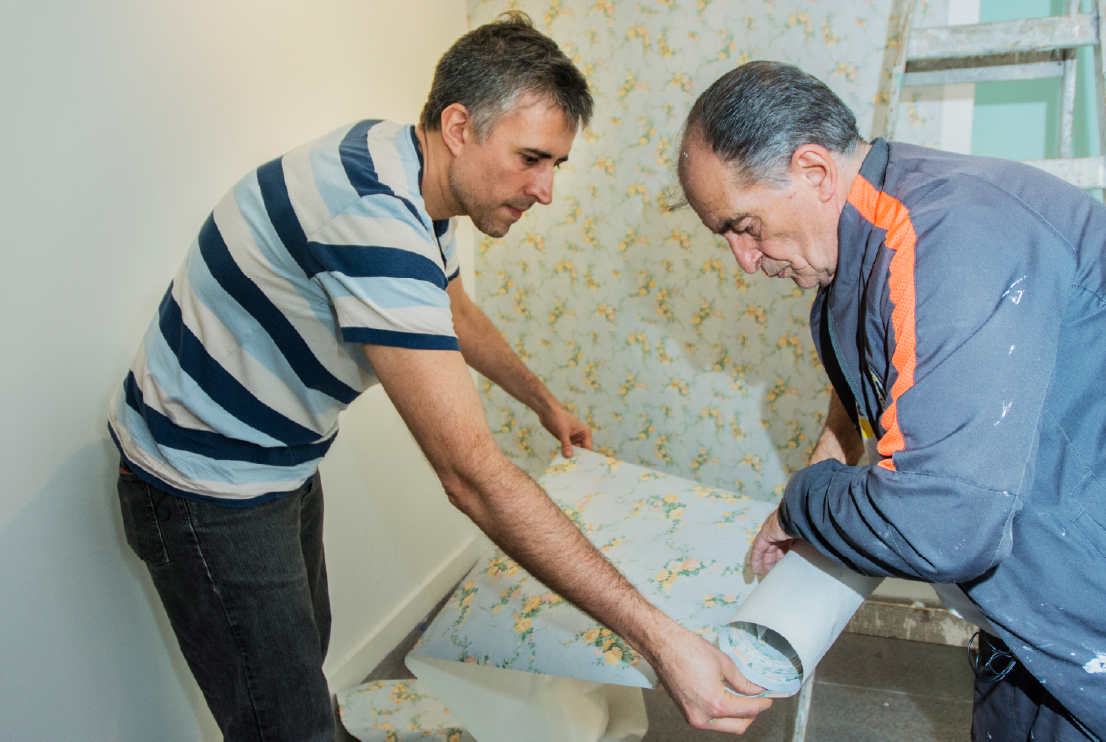
La tarea (empapelado y pintura), 2016. Casa Nacional del Bicentenario, Buenos Aires. Performance junto a Alejandro Alí.
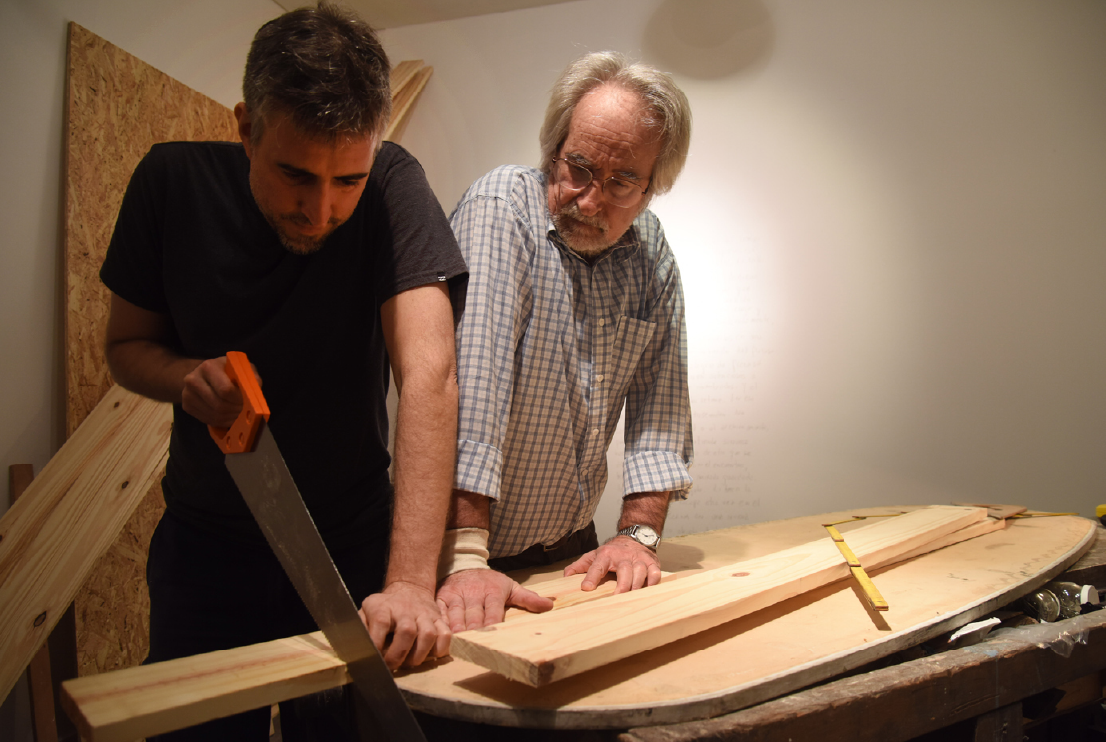
La tarea (mesa y cama), 2016. Casa Nacional del Bicentenario, Buenos Aires. Performance junto a Ricardo Baggio.
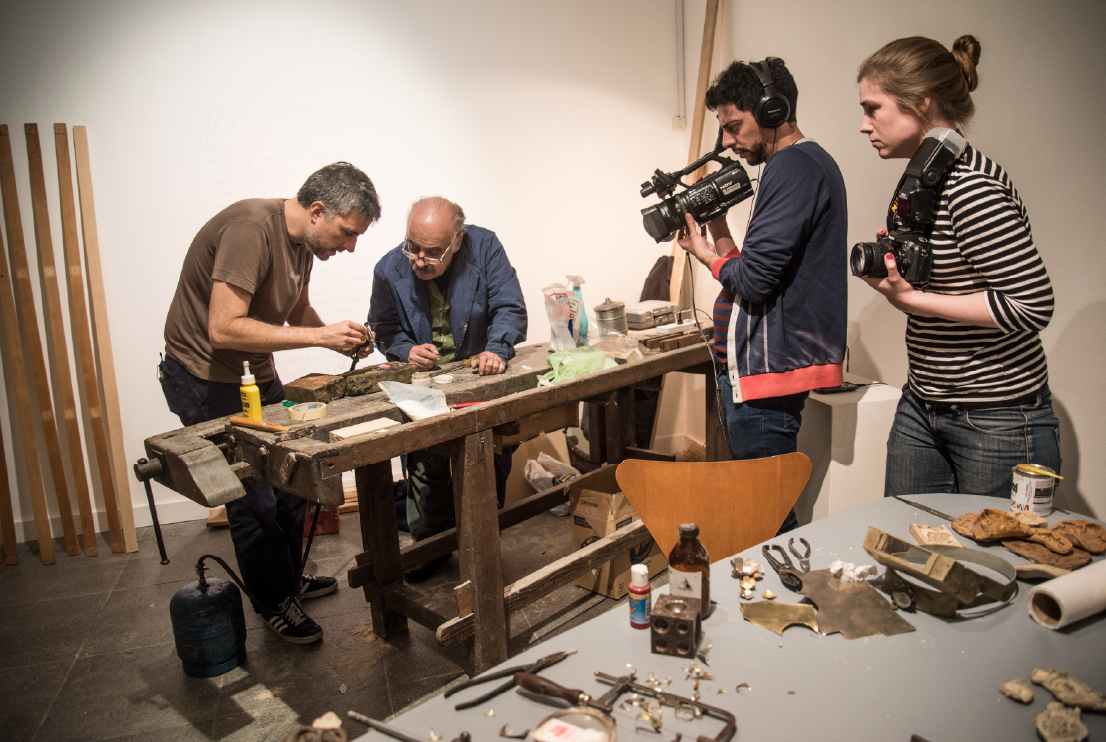
La tarea (marco y rosa), 2016. Casa Nacional del Bicentenario, Buenos Aires. Performance junto a Eduardo Ruiz.
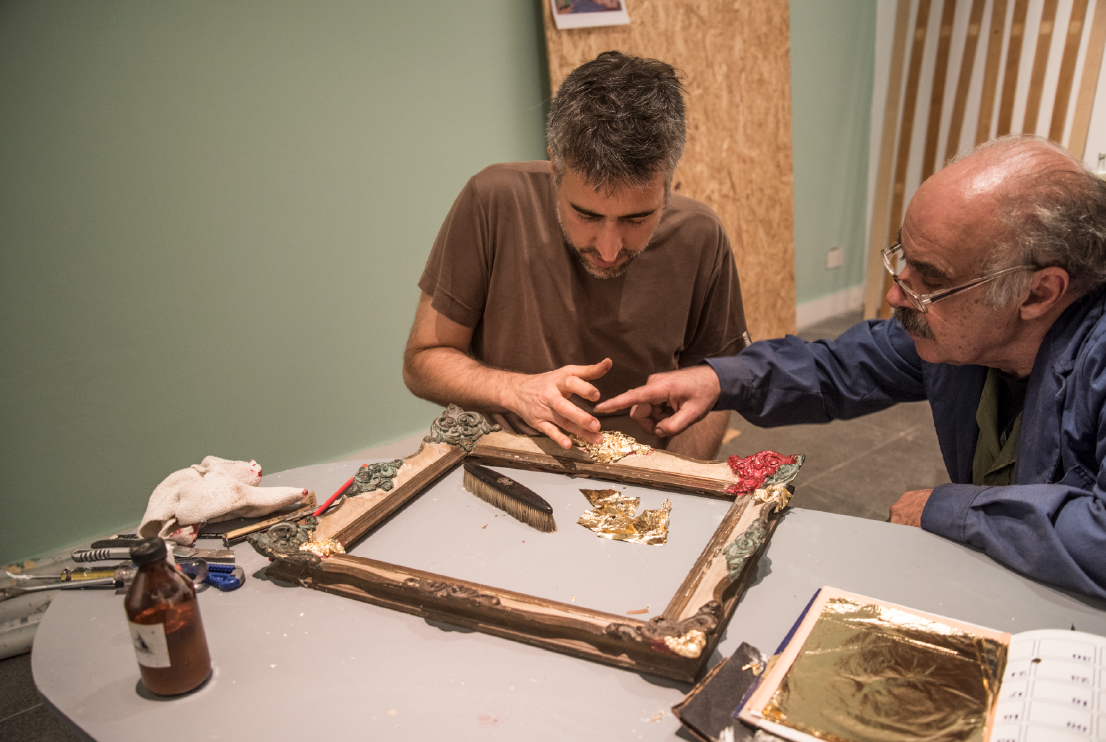
La tarea (marco y rosa), 2016. Casa Nacional del Bicentenario, Buenos Aires. Performance junto a Eduardo Ruiz.
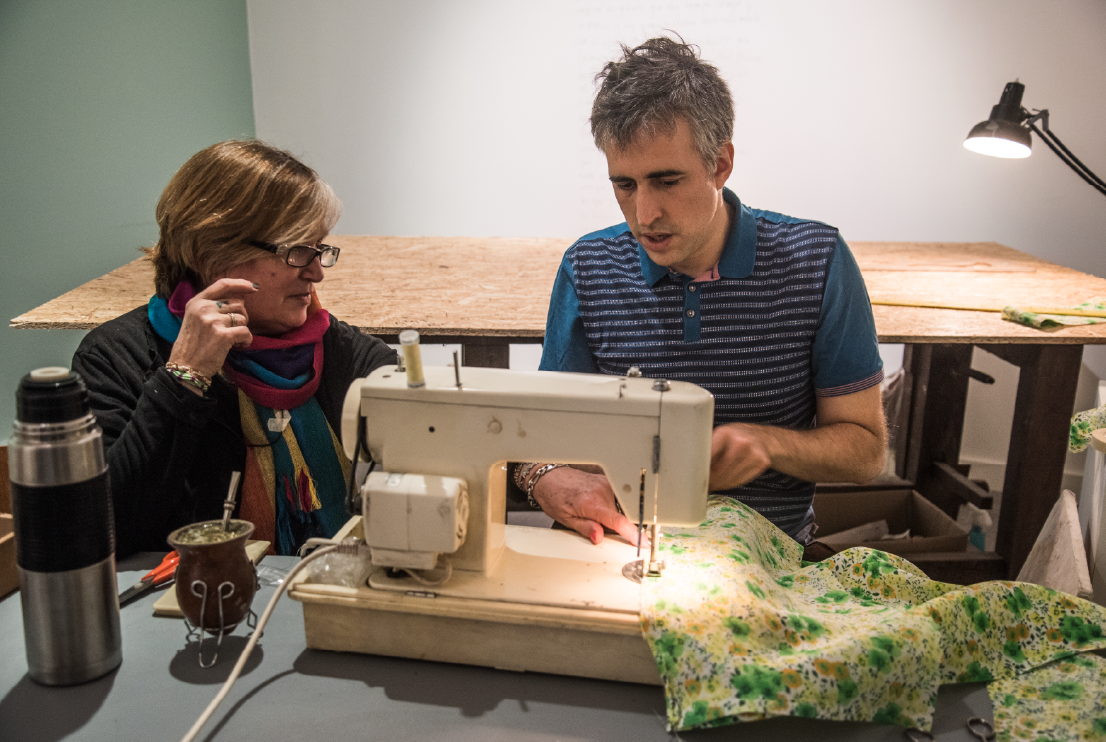
La tarea (funda de colchón y almohadas), 2016. Casa Nacional del Bicentenario, Buenos Aires. Performance junto a Ana Urán.
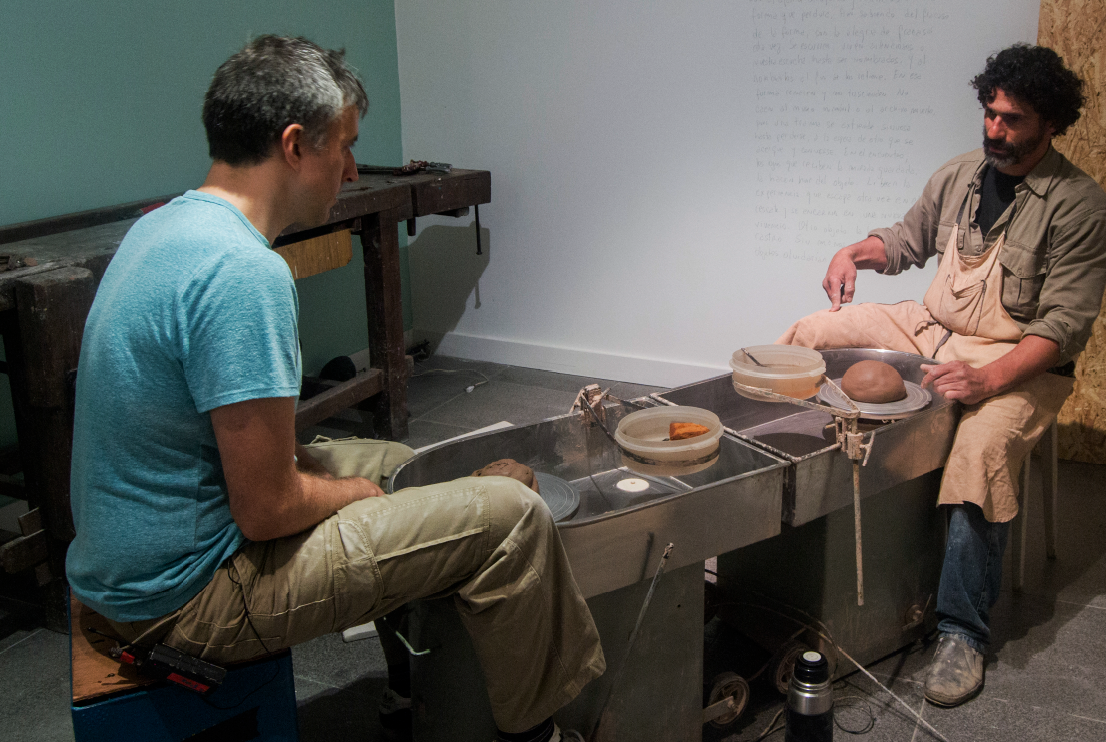
La tarea (alfarería), 2016. Casa Nacional del Bicentenario, Buenos Aires. Performance junto a Maxi Abbiati.
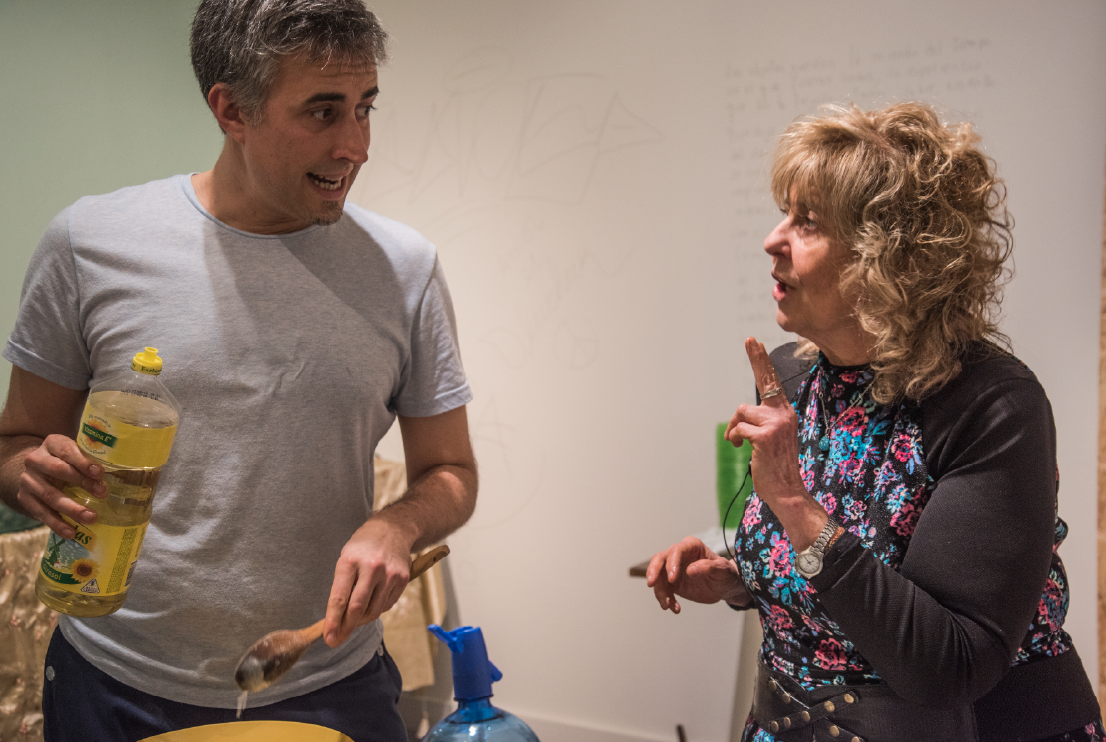
La tarea (kneidalaj con yarkoie), 2016. Casa Nacional del Bicentenario, Buenos Aires. Performance junto a Felisa Mayansky.
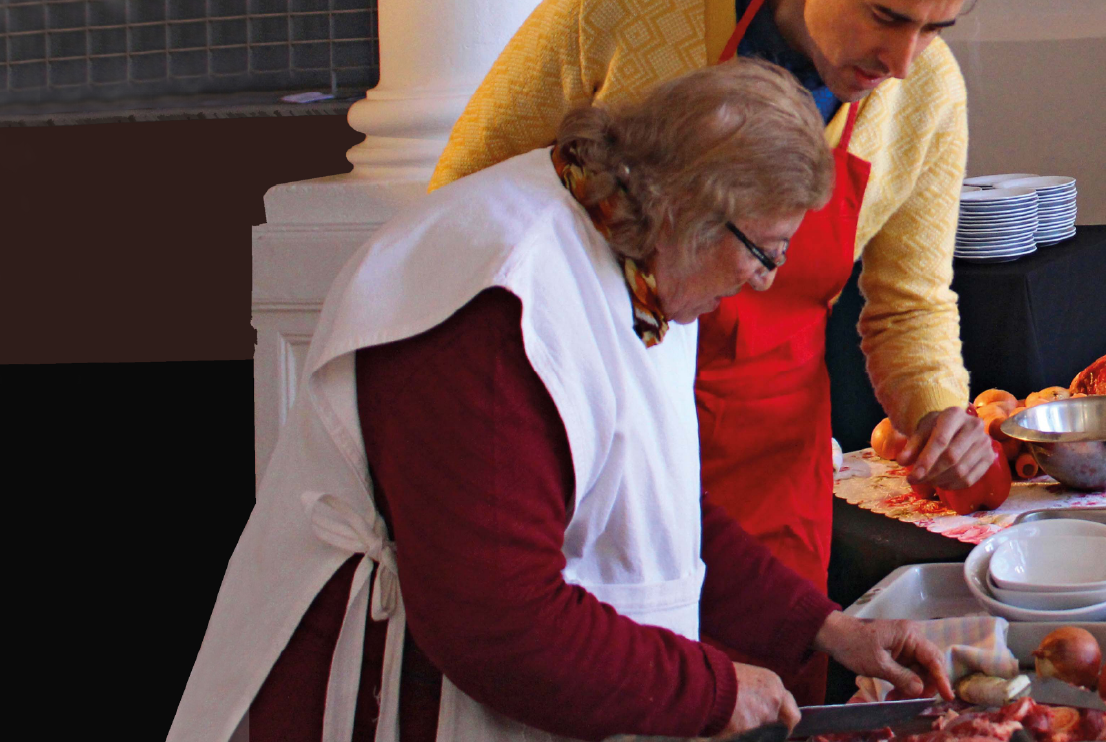
Carne a la cacerola, 2017. Centro Cultural Estación San Martín, San Juan. Performance junto a Teresita Felicina Pringles.
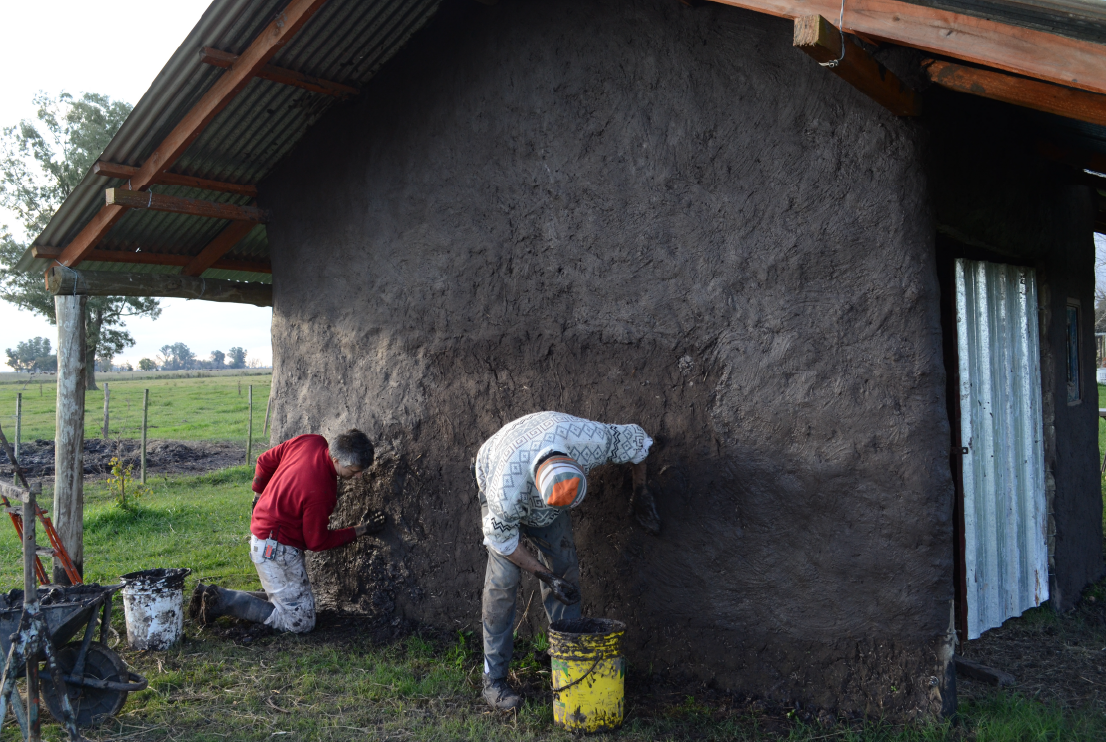
La tarea, 2016-2017. Performance junto a Mencho Ferreira y Claudio Diez Navarro.
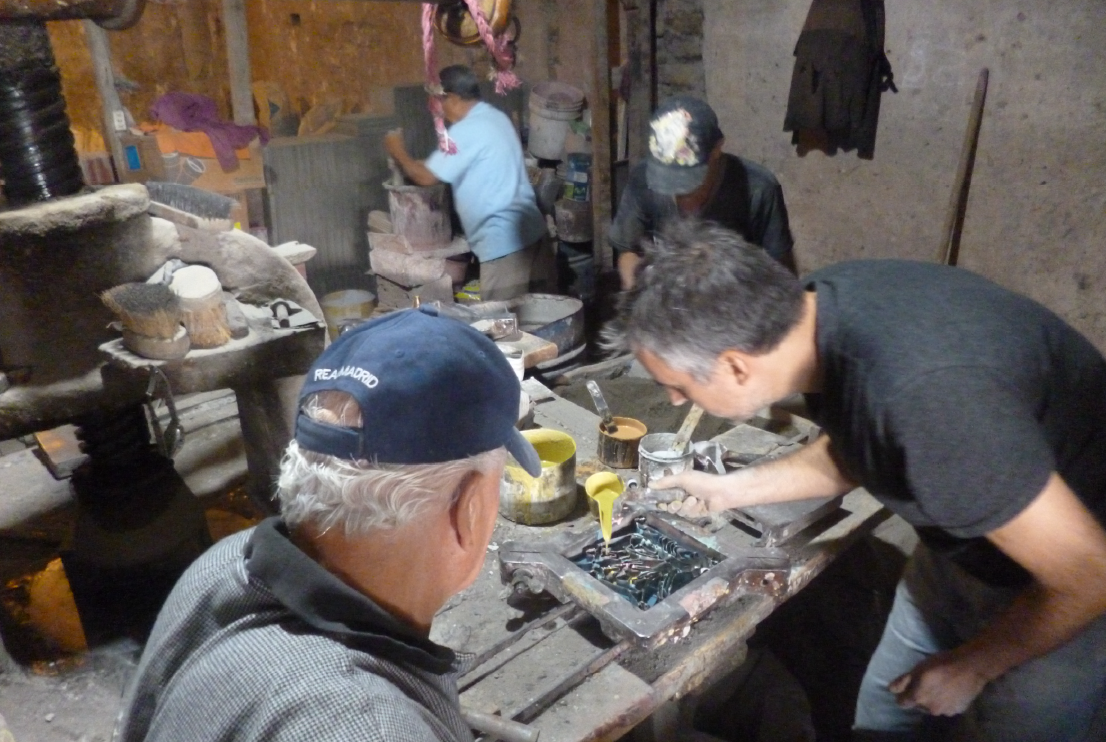
Realización de piso calcáreo y matriz, 2017. Fábrica de pisos Arauz, Ciudad de Guatemala. Performance junto a Moisés Méndez y Julio Cruz Ramírez.
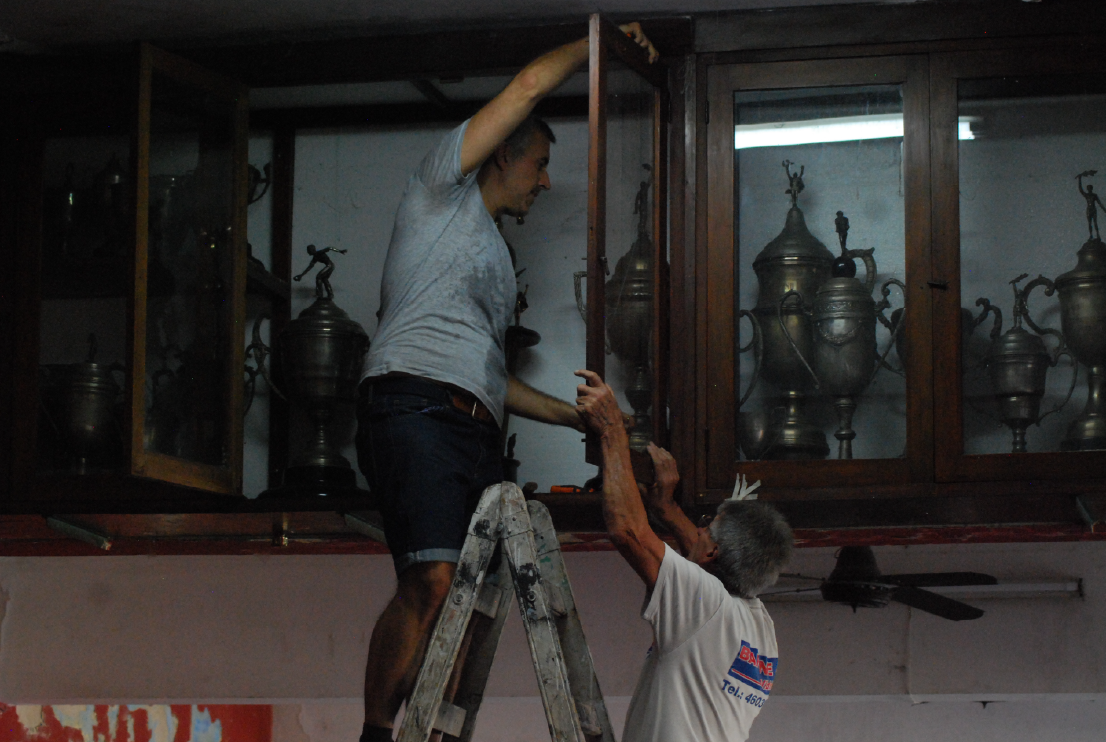
Reparación de vitrina, 2019. Club de Bochas Sargento Cabral (El Sargentino), Santa Fe. Performance junto a Demetrio Barone.
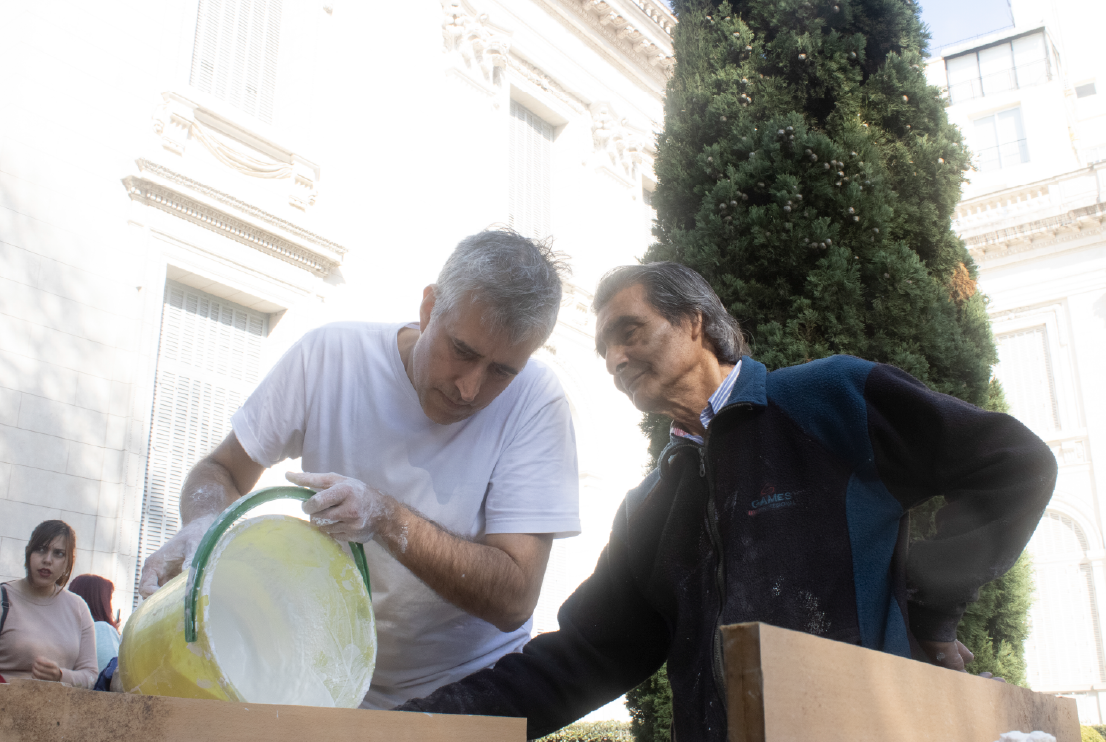
Molduras de yeso, 2022. Museo Nacional de Arte Decorativo, Buenos Aires. Performance junto a Juan Anchava.
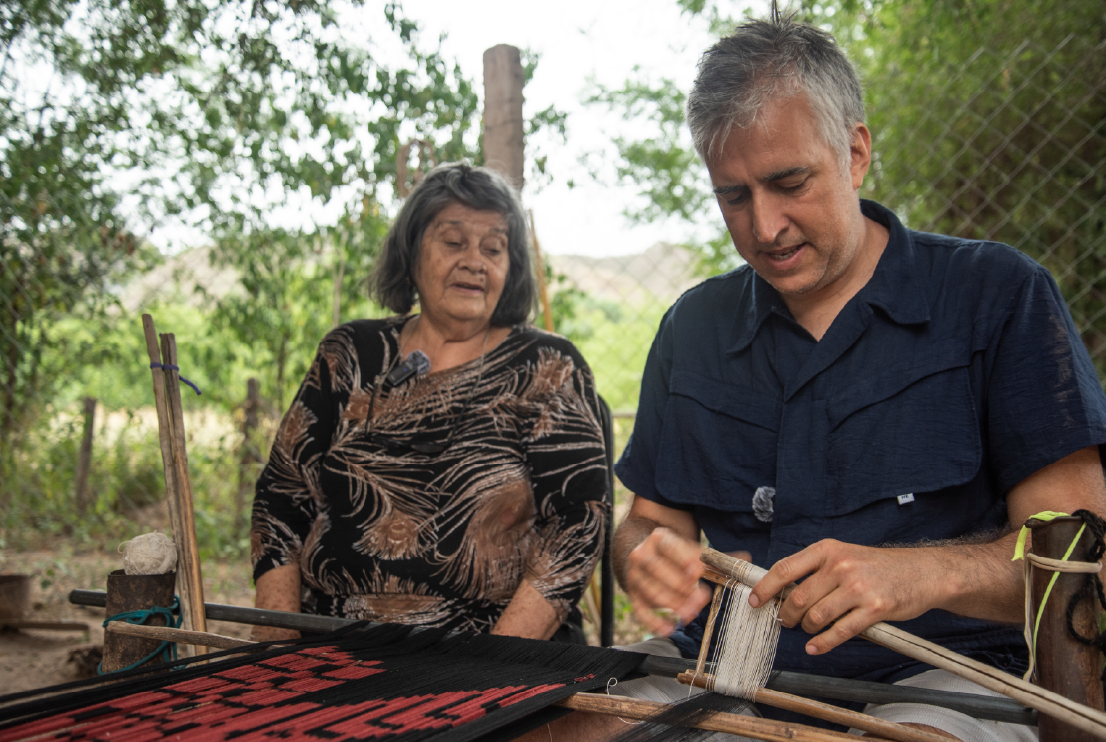
Realización de poncho de guarda atada tejido en alpaca, 2025. Londres, Catamarca. Performance junto a Selva Díaz.