NIETO
(2002)
Download textThe house smelled exactly like Sundays with the whole family.
Text by Valeria González
+Nieto+ (Grandson) was not just another show of Gabriel Baggio’s work; it was a scenographic elaboration of the nucleus of energy that governs his entire oeuvre. Many artists reach the age of deserving a retrospective and of including chance gestures or near misses in a coherent overall map. Baggio was capable of producing a retrospective show before reaching thirty years of age, of establishing his own world of relevance.
It is logical that an artist inspired by the hereditary labor of the women in his family would find his grandmother’s house to be his natural place. However, there is more to it than that: the space of that house became a conceptual diagram that made the body of work, its parts, their function and hierarchy, visible. As in the home, the epicenter of Baggio’s artistic work is in the kitchen, in the act of cooking and offering food to eat. The works of art are located in the living room. The living room is the place to receive guests, the space that leads onto the street, where decorum is important, where a family shows an image of itself that is for others. In every family there are superficial guests who do not venture beyond the boundary of that which is offered to the public, and there are guests who have permission to enter intimate spaces. In the same way, as viewers we can remain on a level of appreciating the brilliant colors and decorative patterns of Baggio’s objects,or we can accede to the origins of their captivating power. Food and ceramics come from the same fire. The culinary utensils made by his grandfather did not turn into +ready mades+ through an act of conceptual nomination, but because they were converted into tools for making sculpture first.
If these sculptures are the leftovers of a production that cannot be reduced to sculptural modeling, they seem like a mummified body where the occurrences of an entire life are strained from its permanence. Somewhere between the kitchen as motor and the elegance of the living room the bedroom can be found. This was the site for the photoperformance, halfway between action and object. The bedroom is where the abyss between the coexistence of the family and the irremediable solitude that lies in wait for us in sexuality and in death opens wide. “When I found out that my grandmother would be leaving the house I decided to cook one last banquet with her.” To be a grandson means accepting that we will outlive our parents and grandparents and that all inheritance is nutritive and asphyxiating at the same time. Gabriel Baggio wove his grandmother’s aprons into a final mantle and acted out his own death in a uterus-coffin full of home cooking.
What could not be pronounced in bed nor at the table could be said in the entryways or patios, those frontier sites between the house and the street, residual spaces without any specific function. The link that Baggio proposes between the act of knitting and conversation winds up to be quite natural. To be able to +see+, in the almost monstrous length of that endless and cathartic scarf, how much we usually keep quiet in our normal lives is disturbing.
Without a doubt, Gabriel Baggio’s work implies the recognition of a precise historical map. From the perspective of gender and the validation of domestic labor to the exploration and redemption of flavor and the sense of smell in the evolution of action2 based art. However, it is a different genealogical trick that defines the essentially specific and performative profile of his work. “While we learn how to eat we define what we like and what we reject.” Baggio is not involved in an intimate memory, but in an archaeology of significance. Before its consolidation as a science of art and beauty, aesthetics was a discourse of perceptions and of the body. We mustn’t let the inspiration in his grandmothers confuse us: we are not dealing with biographical work here, that genre that was first, religious, and then, bourgeois, where the notoriety of one’s own name makes the most banal of events valuable. Gabriel Baggio’s references to himself are carefully constructed, as artificial and chosen as establishing one’s self as a grandson from a strictly feminine lineage.
For Spinoza, the potential of being is expressed as an appetite (+conatus+). However, appetite does not mean hurling one’s self into the lottery of positive or calamitous collisions with other bodies and then recording the effects. It involves differentiating between food and poison, being capable of composing with that which intensifies our existence. Spinoza didn’t speak of Good and Evil, he spoke of living happily or unhappily.
English version: Tamara Stuby
2002
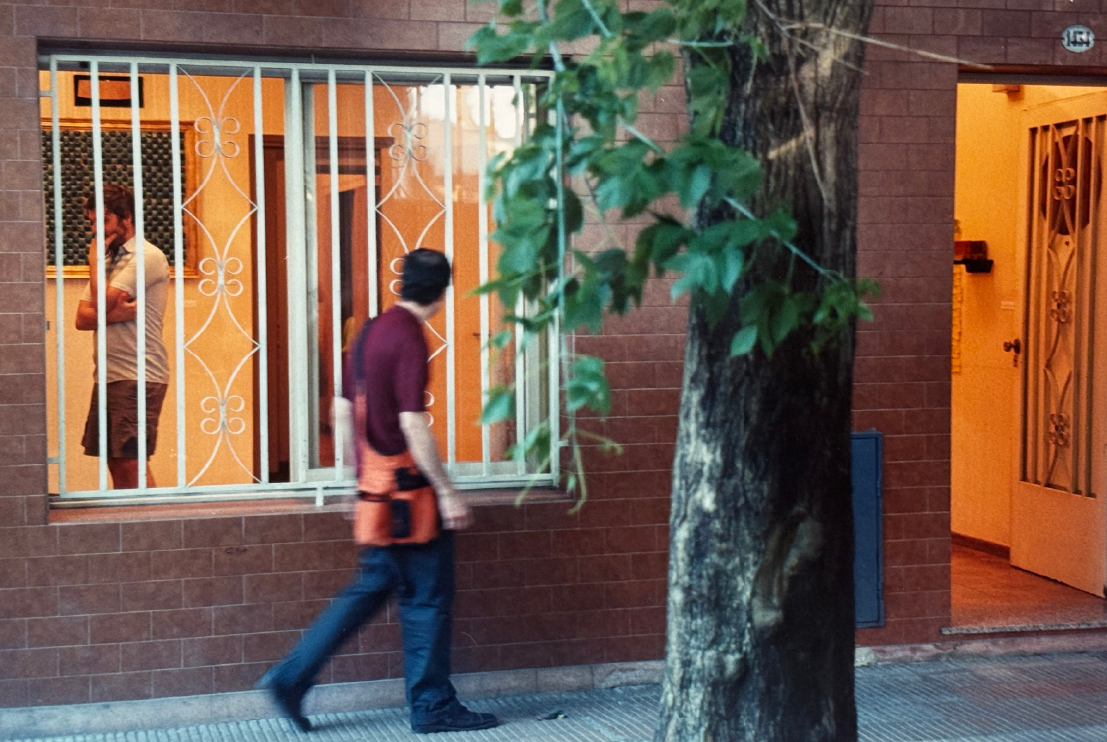
NIETO. Exhibición individual en la casa de la abuela del artista, Buenos Aires, 2002. Vista exterior.
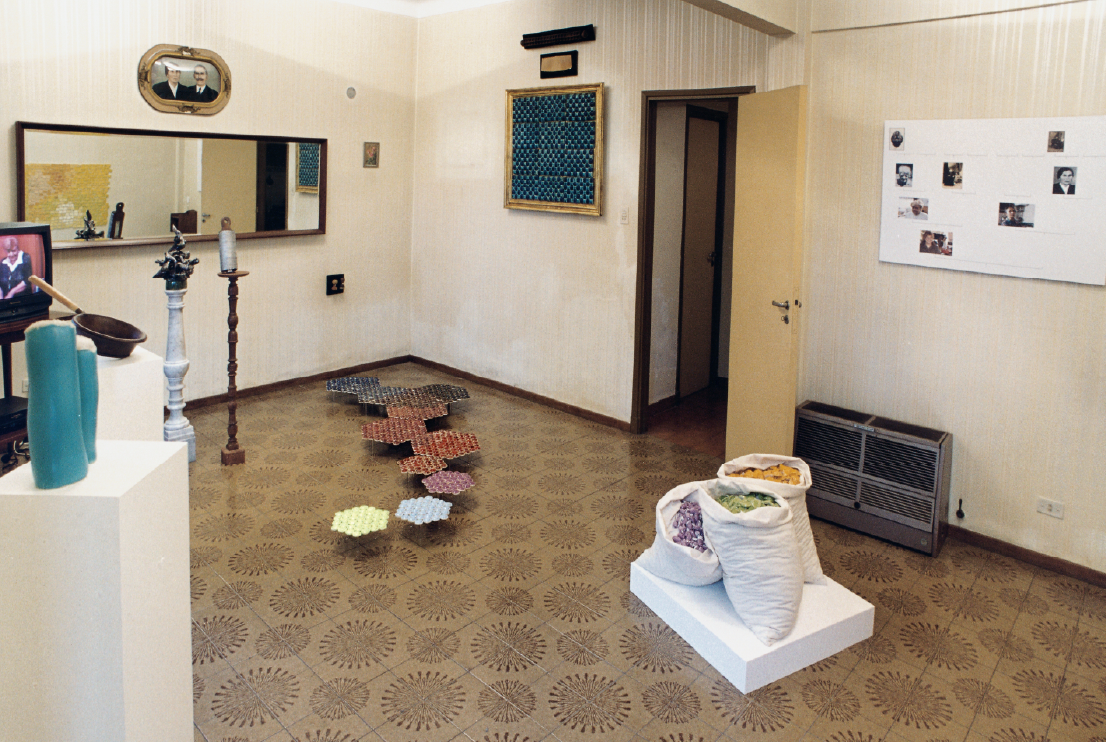
NIETO. Exhibición individual en la casa de la abuela del artista, Buenos Aires, 2002. Vista general.
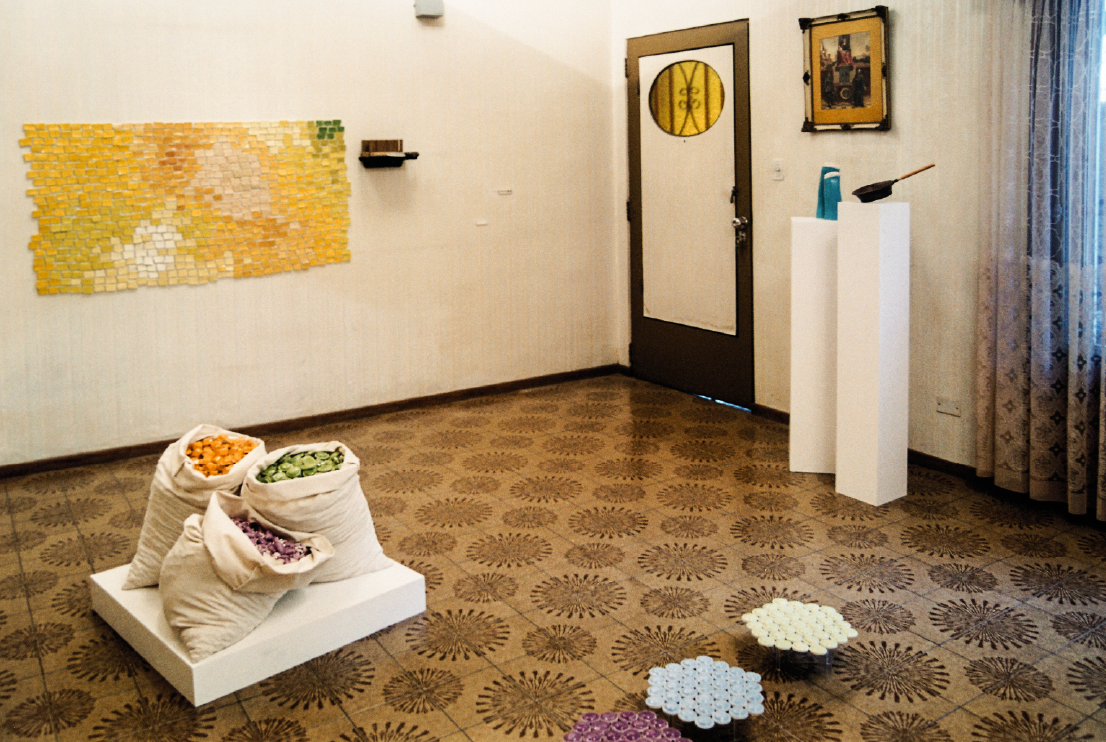
NIETO. Exhibición individual en la casa de la abuela del artista, Buenos Aires, 2002. Vista general.
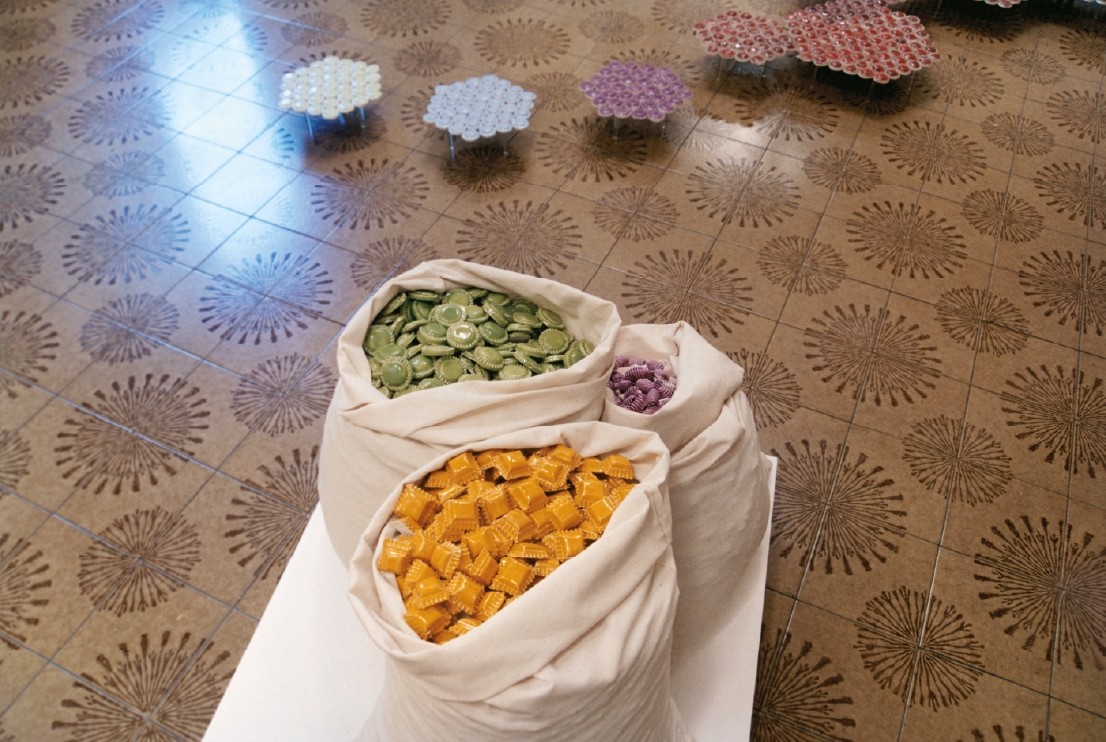
Reserva calórica, 2002. Cerámica esmaltada y lienzo. 100 x 100 cm.
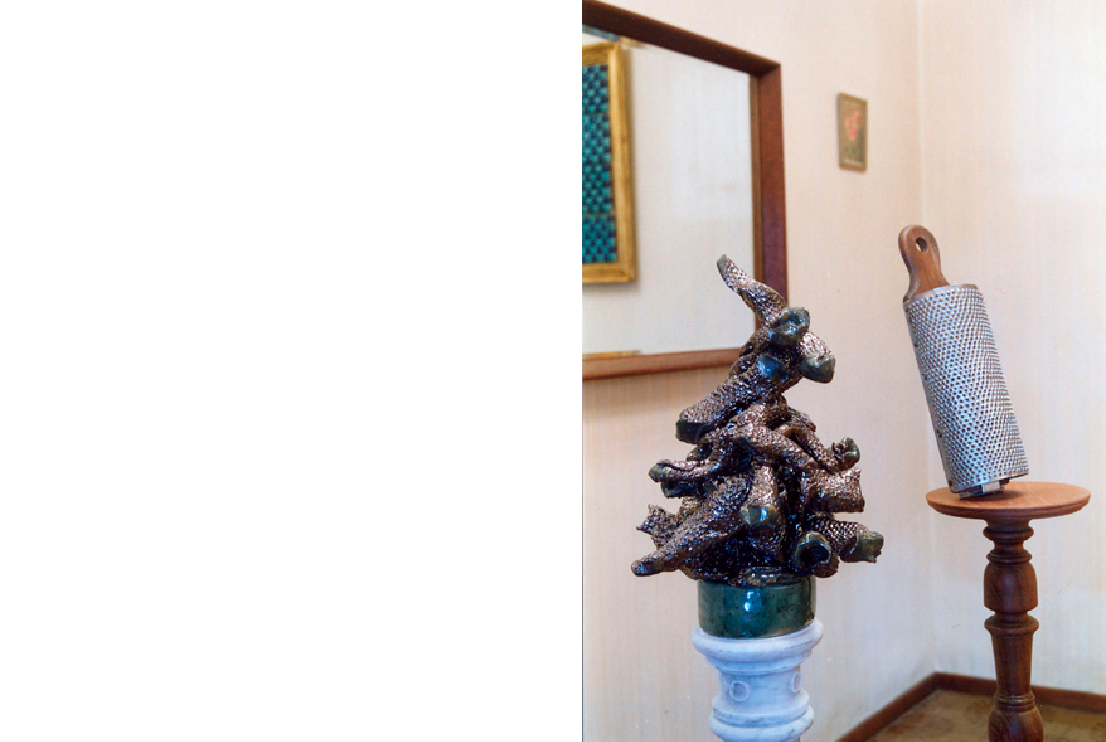
Para Carl Andre, 2002. Cerámica esmaltada. 35 x 20 cm. // La razón del gourmet (Rallador de mano), 2007. Instalación. Medidas variables.
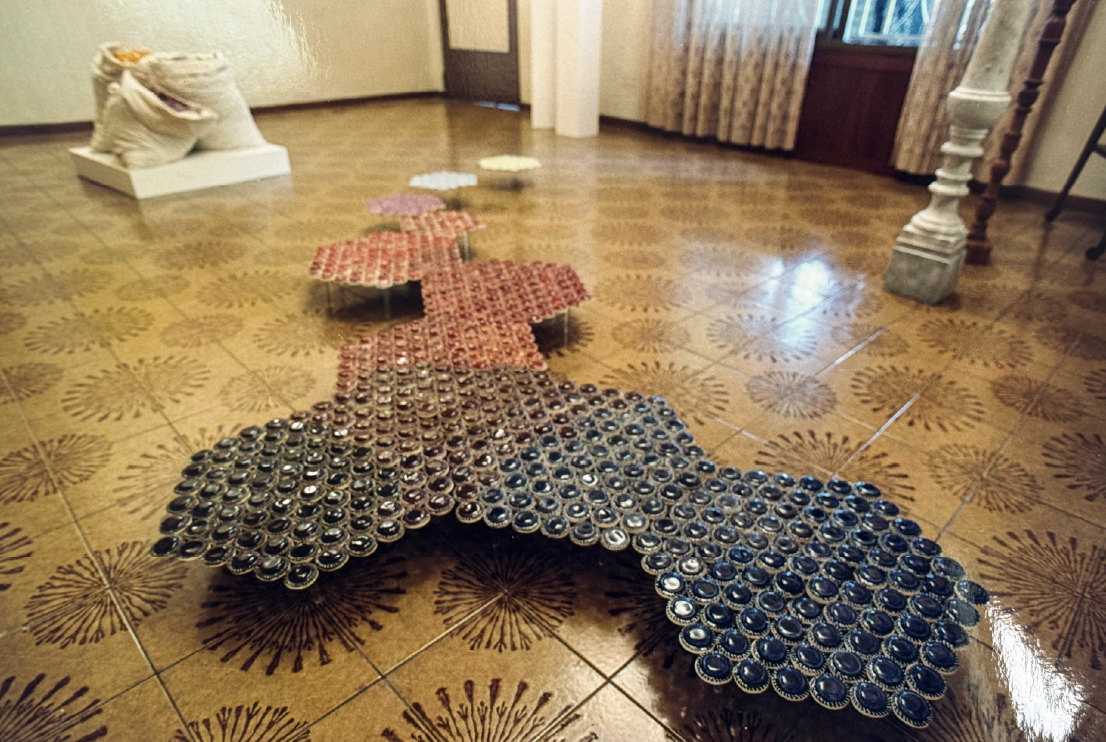
Paisaje suspendido, 2002. Cerámica esmaltada. 300 x 200 cm.
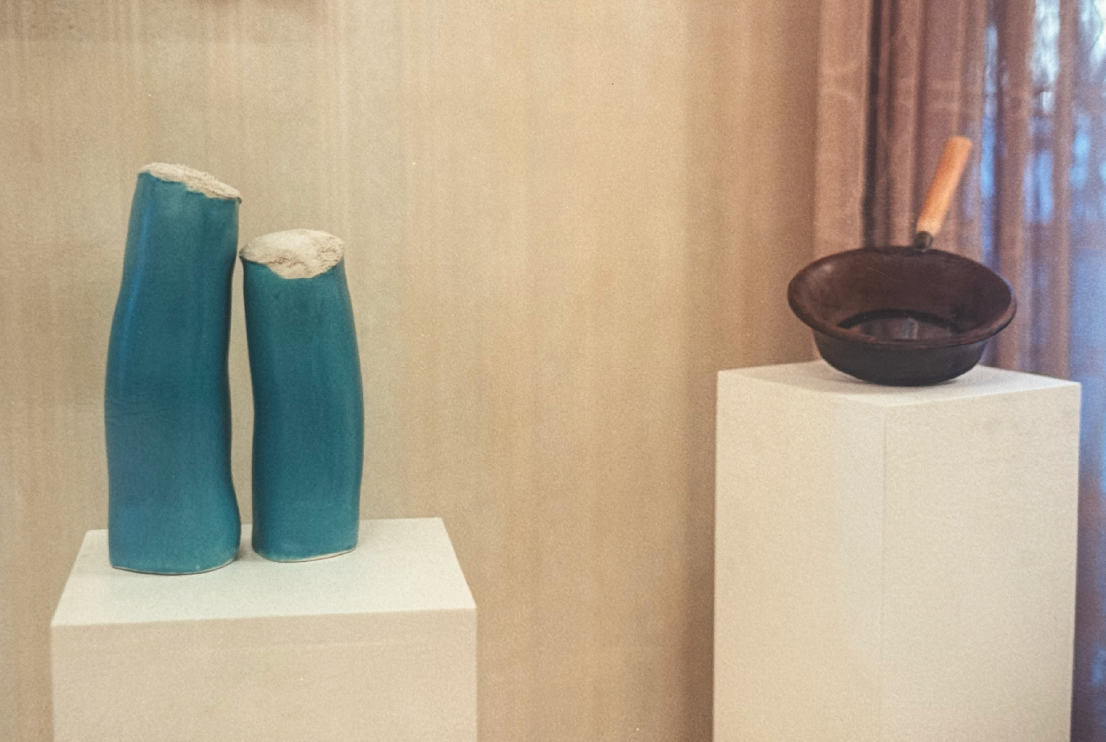
Anónimos, 2002. Cerámica esmaltada. 35 x 30 cm. // La razón del gourmet (Tamizador), 2007. Instalación. Medidas variables.
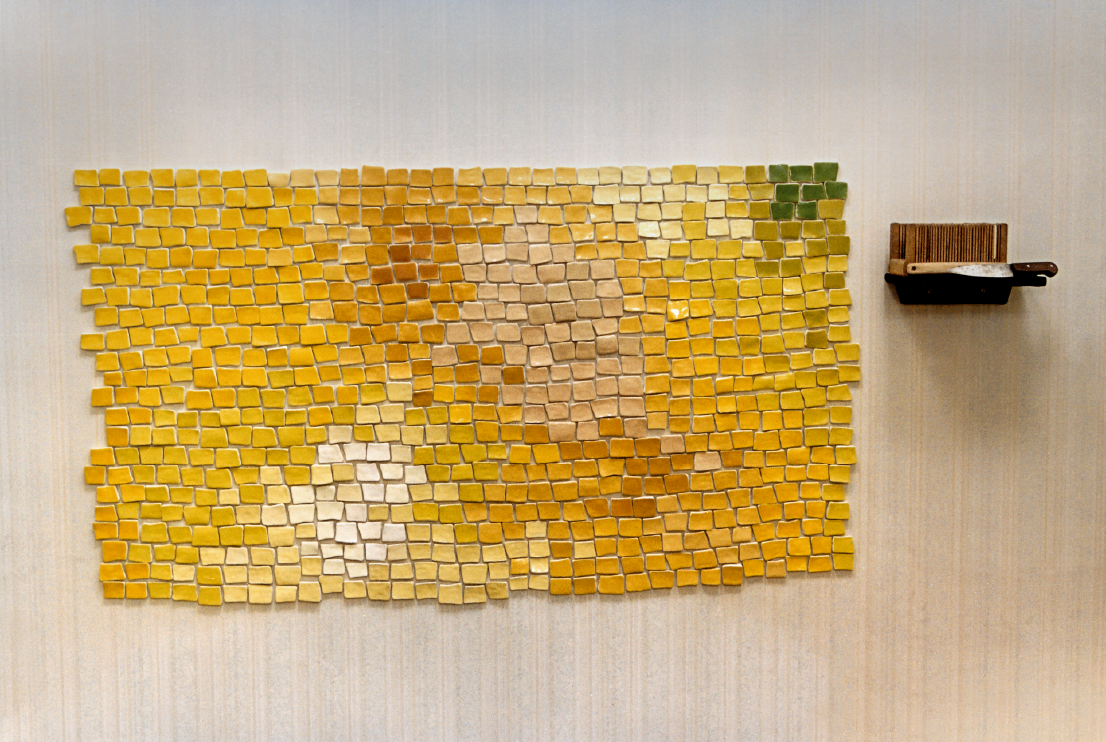
Metaesquema, 2002. Cerámica esmaltada. 100 x 150 cm.
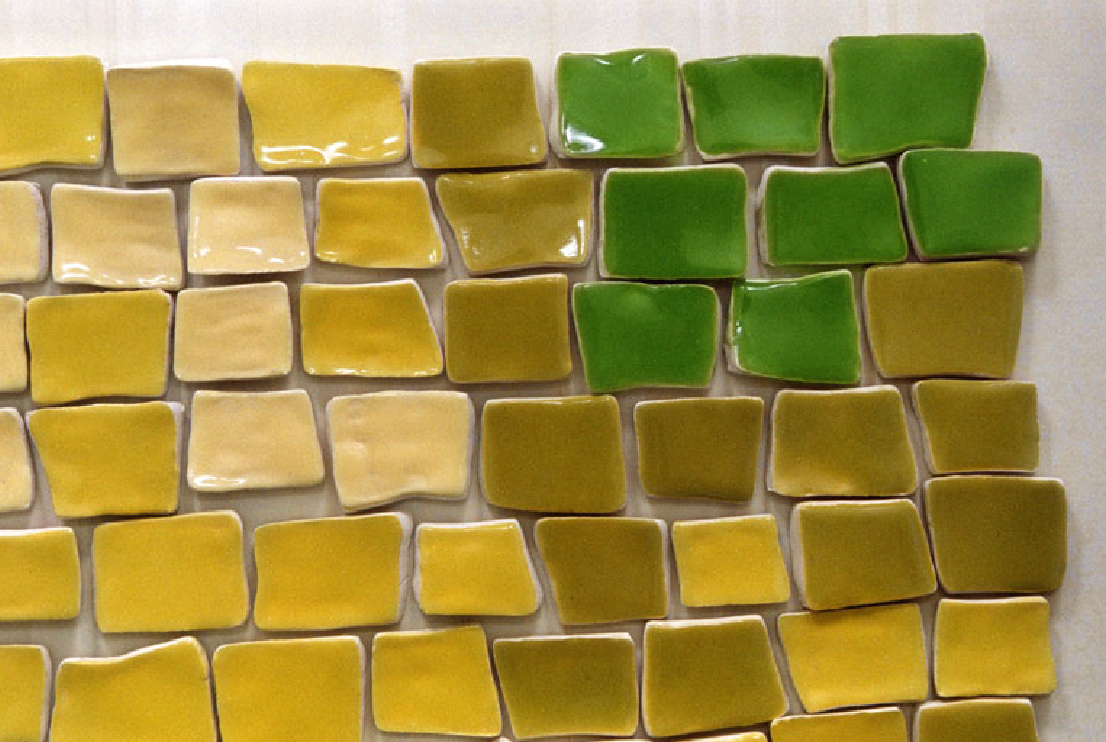
Metaesquema (detalle)
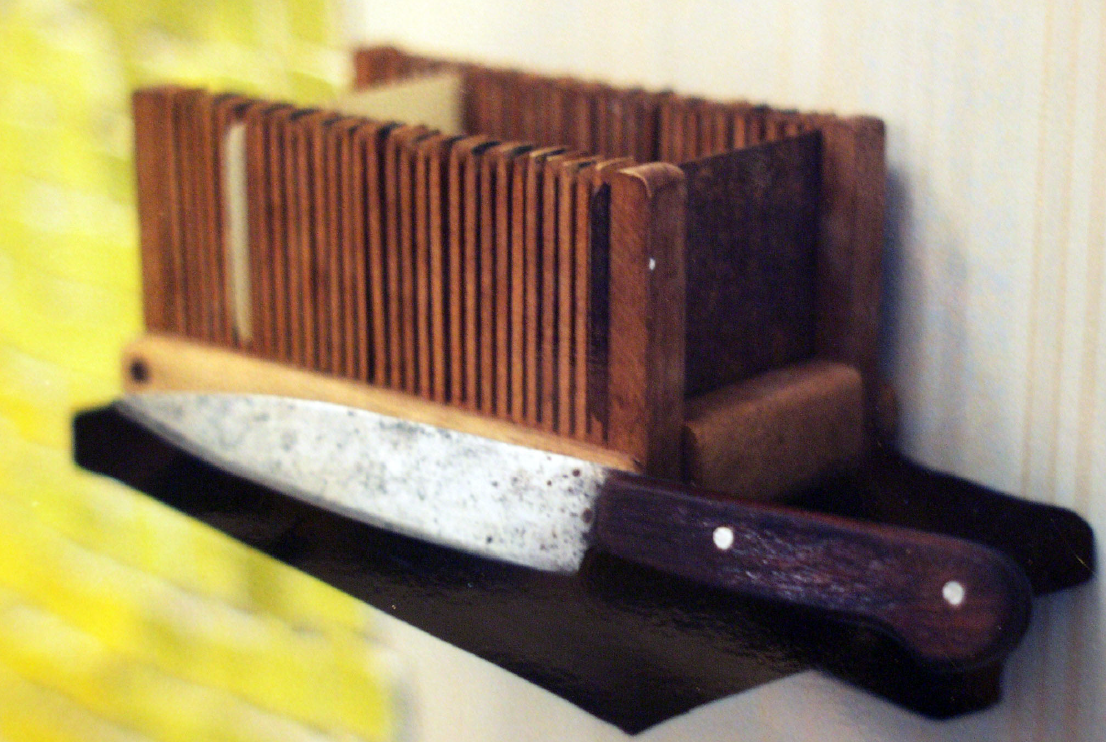
La razón del gourmet (Cortador de lechuga), 2007. Instalación. Medidas variables.
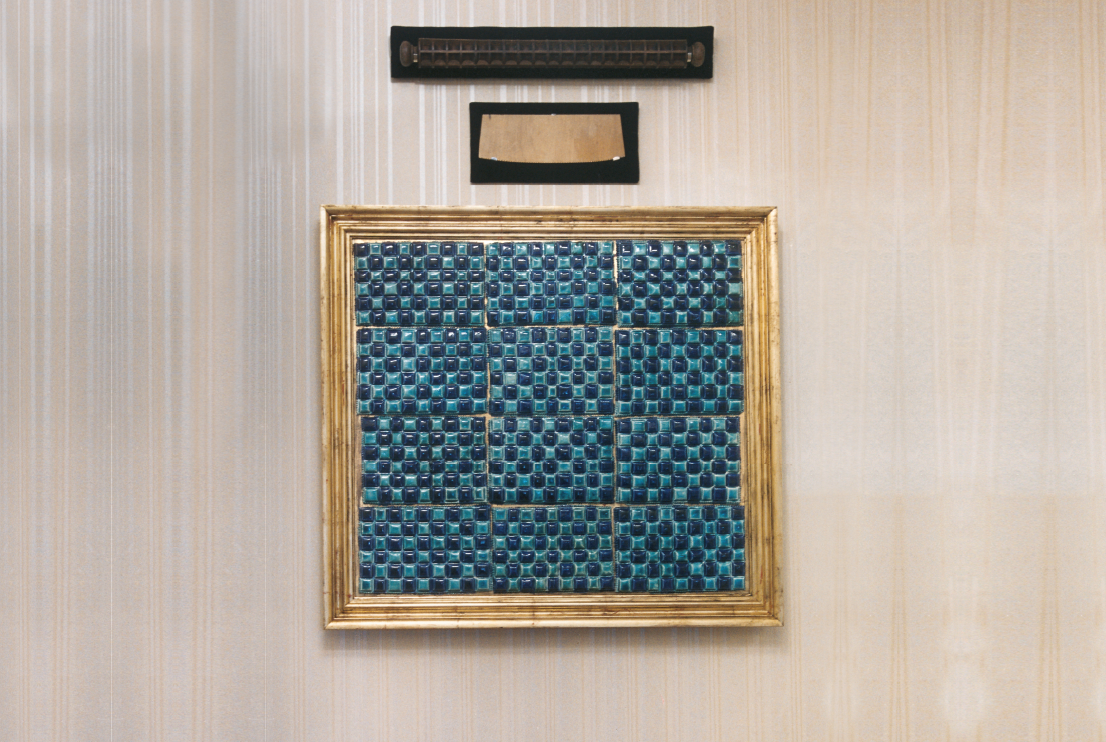
La última cena, 2002. Cerámica esmaltada. 100 x 100 cm.
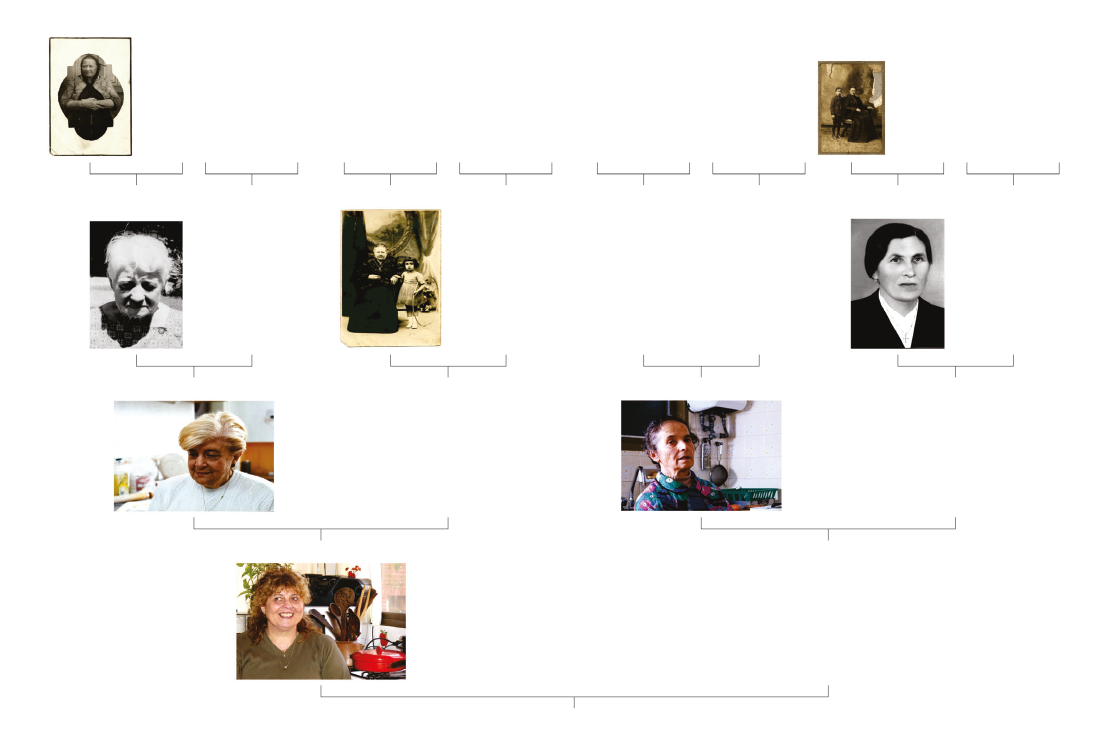
Árbol Genealógico, 2002. Impresión Giclée. 70 x 100 cm.
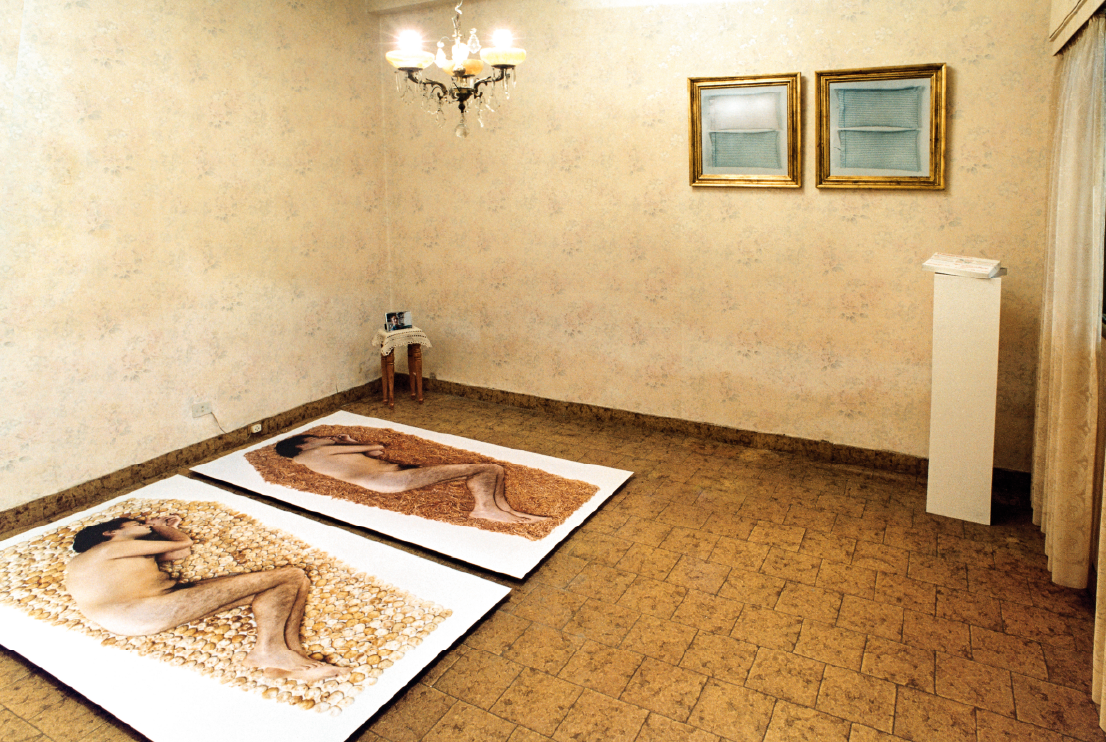
NIETO. Exhibición individual en la casa de la abuela del artista, Buenos Aires, 2002. Vista general.
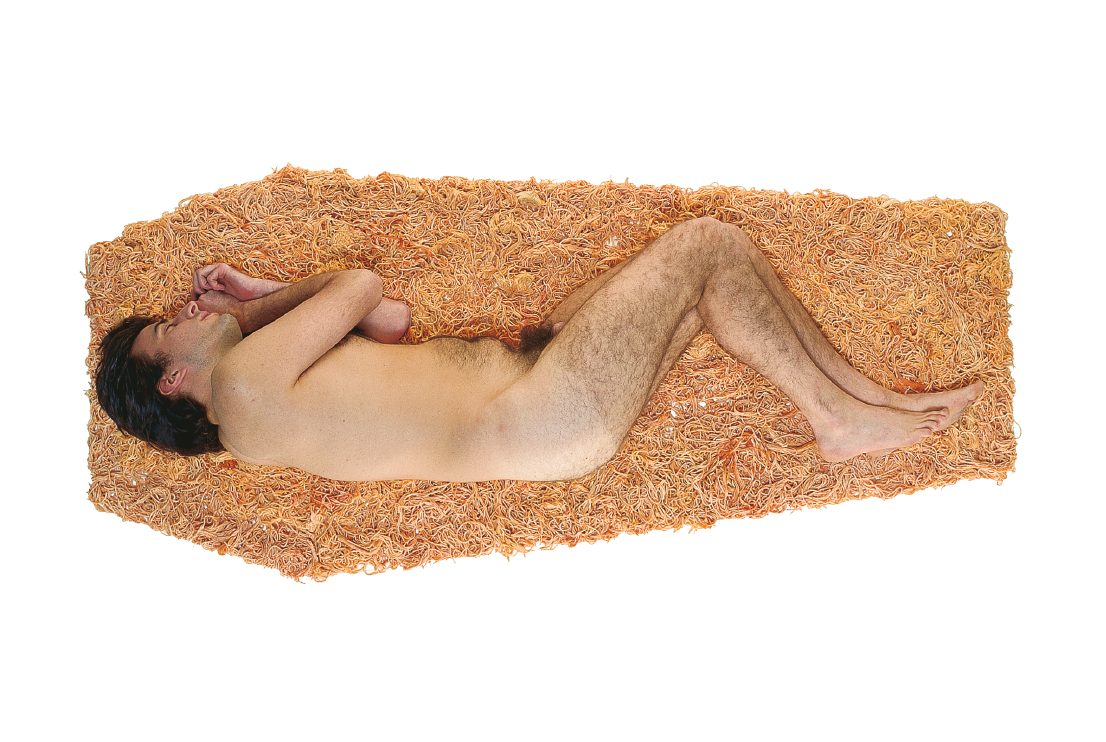
Gula, 2002. C-print montada sobre aluminio. 205 x 200 cm.
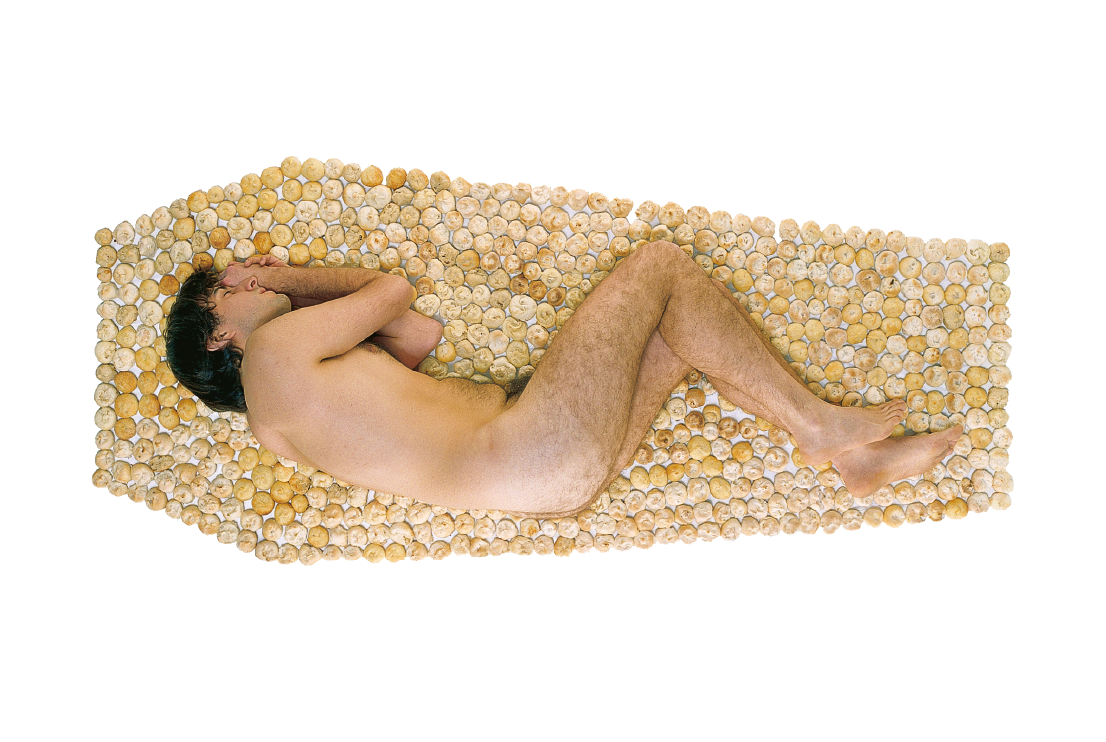
Gula, 2002. C-print montada sobre aluminio. 205 x 200 cm.
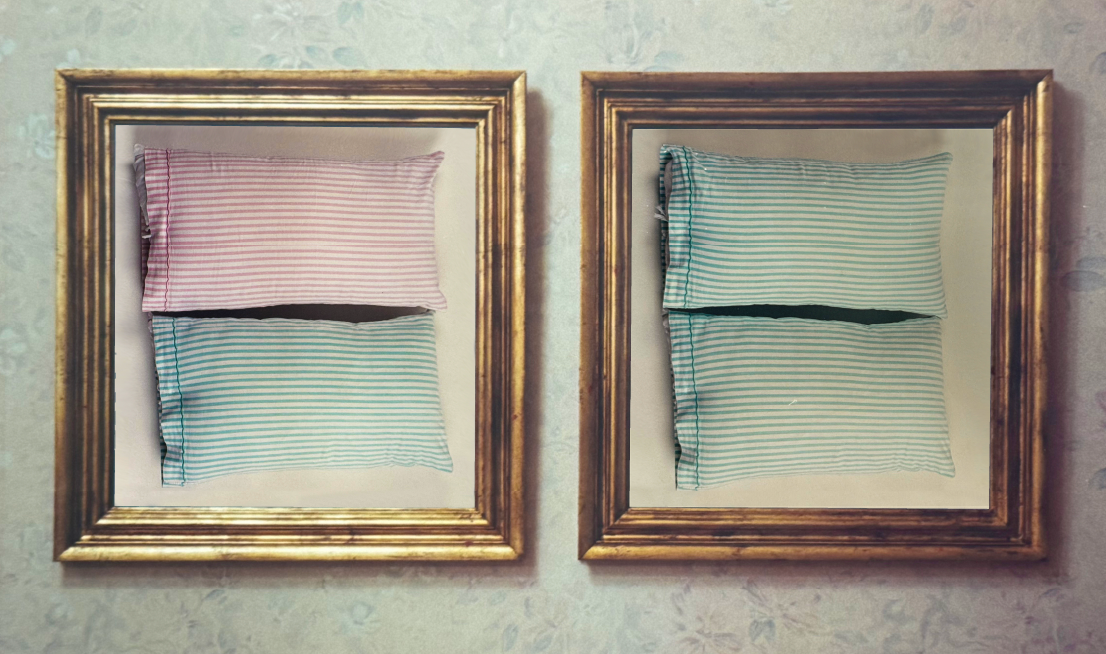
Las almohadas de mi abuela para Félix González Torres, 2002. C-print. 70 x 140 cm.
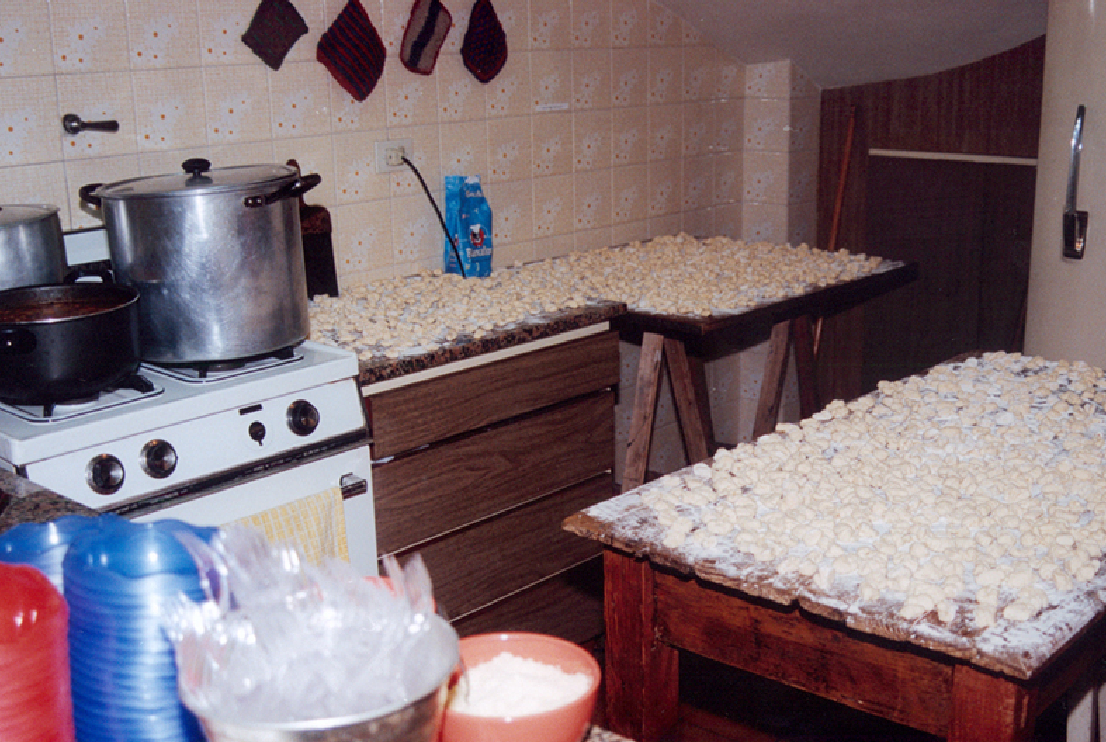
NIETO. Exhibición individual en la casa de la abuela del artista, Buenos Aires, 2002. Vista general.
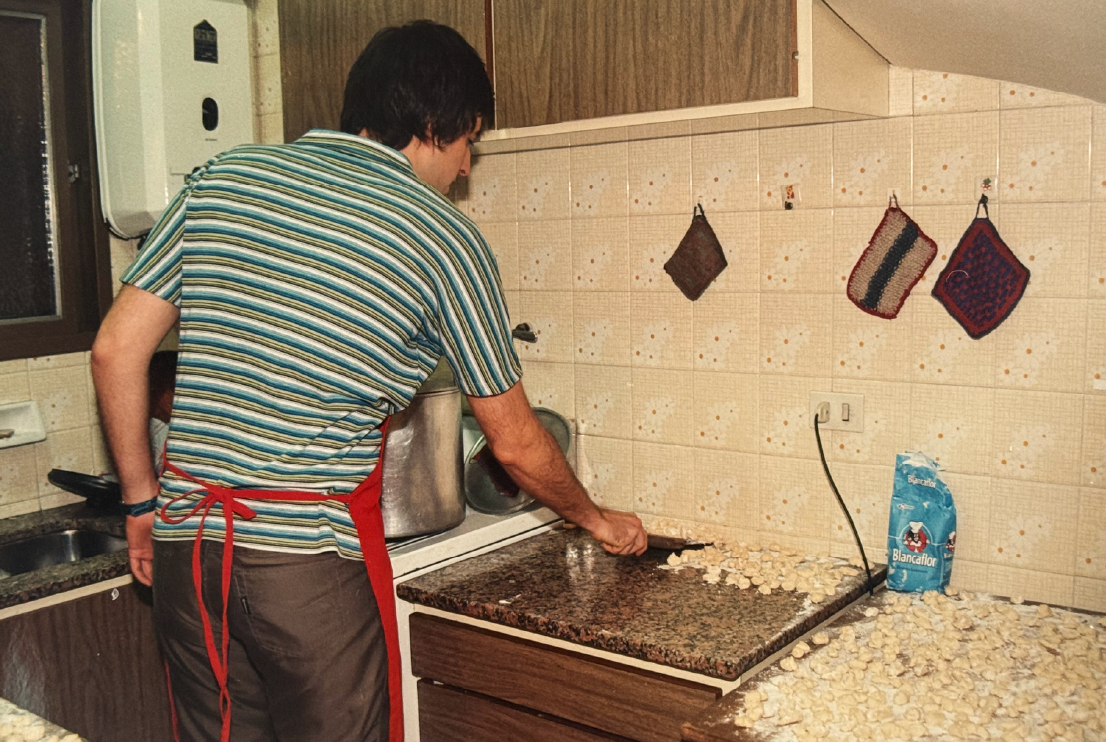
NIETO. Exhibición individual en la casa de la abuela del artista, Buenos Aires, 2002. Vista general.
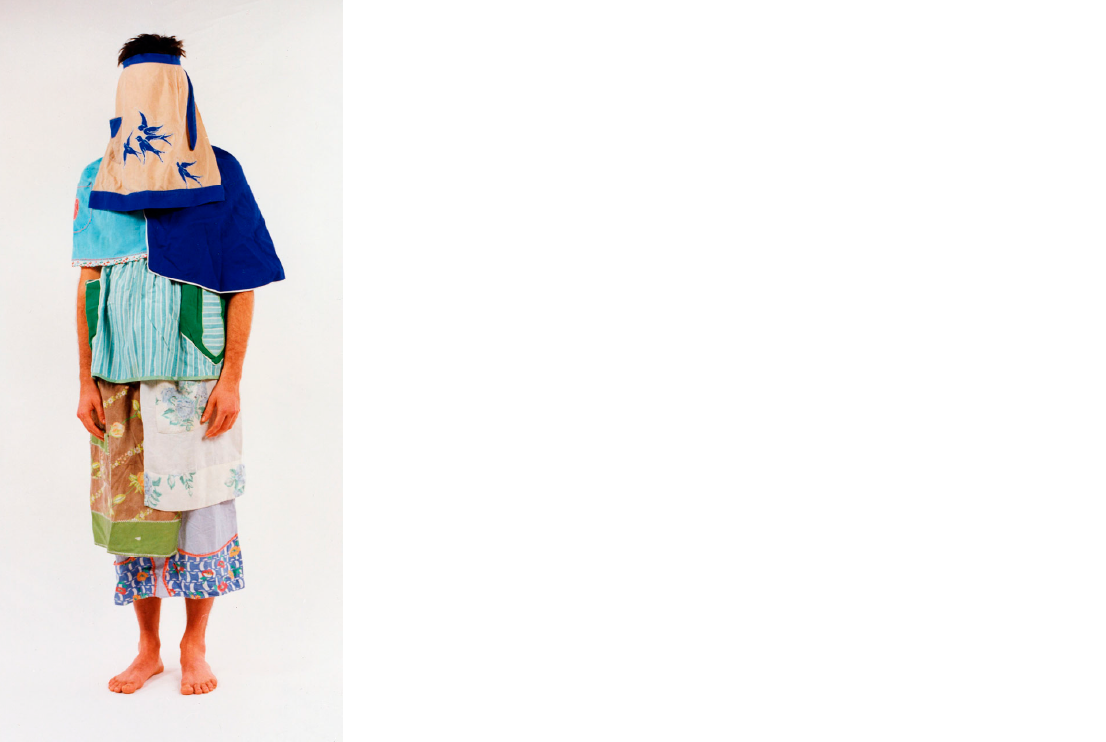
Cuidado de la ropa, 2002. C-print montada sobre aluminio. 200 x 100 cm.
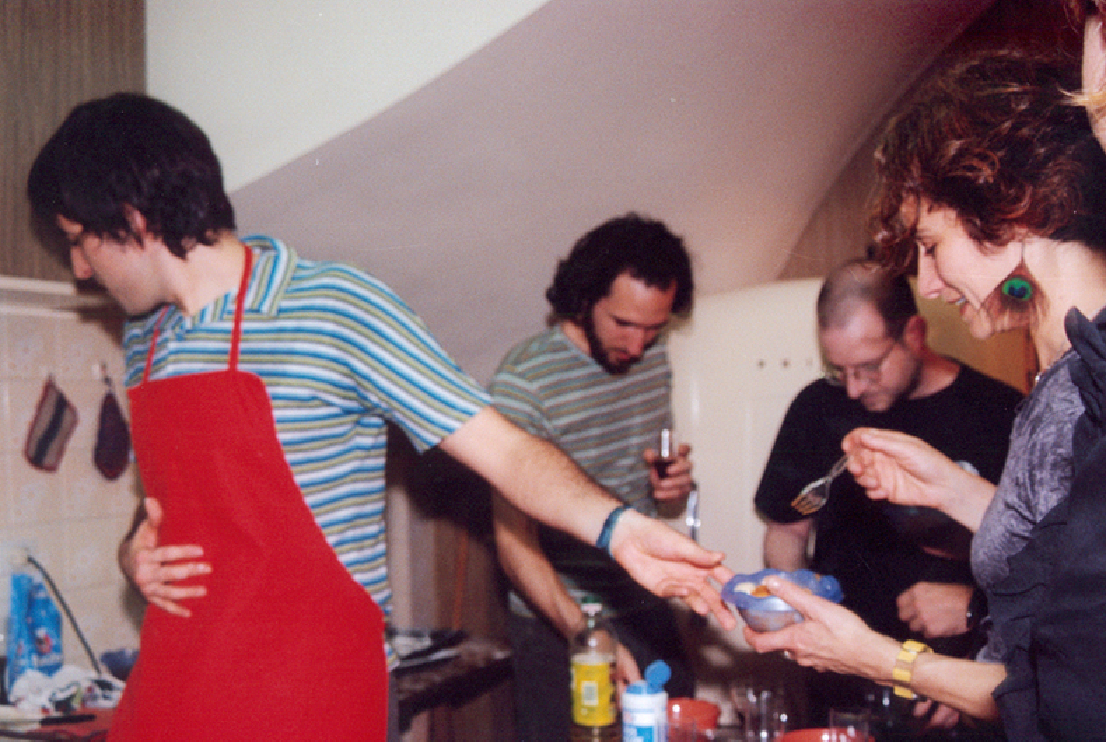
Ñoquis con estofado, 2002. Performance en el día inaugural.
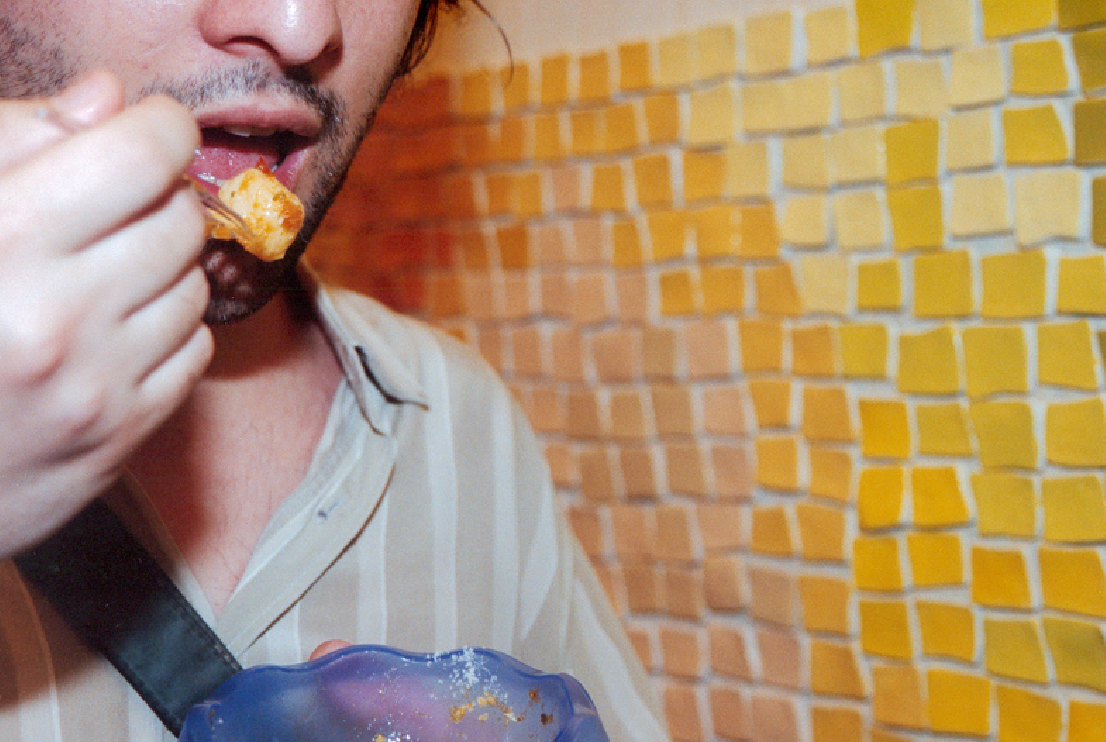
Ñoquis con estofado, 2002. Performance en el día inaugural.